Stop Wasting Gas & Time: Master AI Route Optimization for Your Pest Control Business
Revolutionize your pest control business! Discover how AI route optimization slashes drive times, cuts fuel costs, and boosts technician efficiency for happier customers.
Stop Wasting Gas & Time: Master AI Route Optimization for Your Pest Control Business
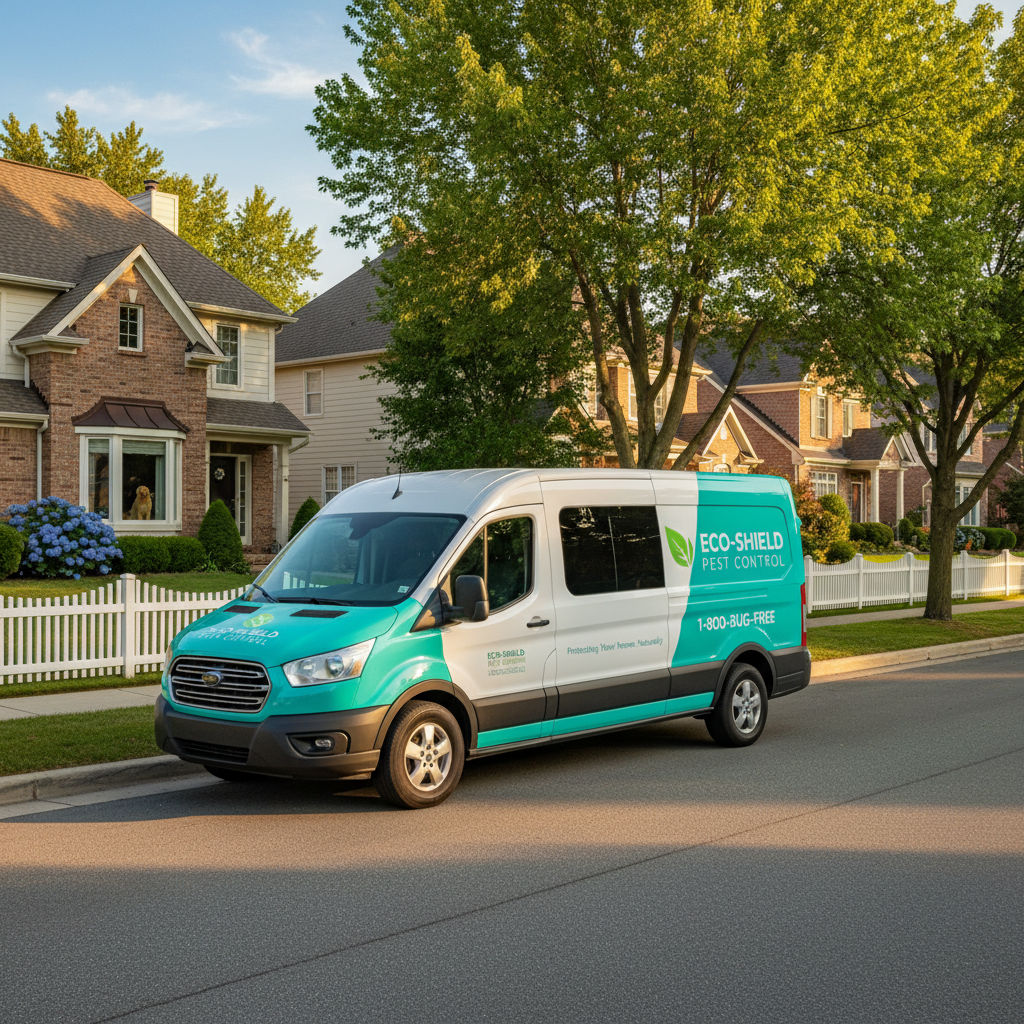
TL;DR: AI route optimization uses smart algorithms to plan the most efficient routes for your pest control technicians. This saves time, fuel, and money, while improving customer satisfaction. It helps pest control business route efficiency and makes AI scheduling for pest control technicians a reality.
AI Route Optimization: A How-To Guide for Pest Control Owners
Welcome, fellow pest control business owners! Are you tired of inefficient routes, wasted gas, and technicians spending too much time driving? AI route optimization is here to revolutionize how you operate. This guide will walk you through implementing this powerful technology to boost your pest control business route efficiency.
Understanding the Basics
AI route optimization isn't magic, it's smart technology. It uses complex algorithms to analyze many factors simultaneously. Think of it as a super-powered GPS for your entire fleet.
This technology goes beyond simple turn-by-turn directions. It considers real-time traffic, technician skill sets, appointment windows, and even the type of pest treatment needed. It's a game-changer for pest control route planning software.
Why Embrace AI Route Optimization?
The benefits are substantial for any growing pest control business. You can dramatically improve pest control routes with AI. This means less downtime for your technicians and more billable hours.
Customers also benefit. Shorter travel times mean technicians arrive faster and on time. This leads to happier clients and better reviews. It’s a key component of effective AI scheduling for pest control technicians.
Key Components of AI Route Optimization
- Data Input: The system needs accurate information to work its magic. This includes customer addresses, service types, technician availability, and vehicle capacity.
- Algorithm Processing: This is where the "AI" comes in. Sophisticated algorithms crunch the data to find the optimal sequence of stops.
- Route Generation: The software generates dynamic, optimized routes for each technician. These are usually accessible via a mobile app.
Implementing AI Route Optimization: A Step-by-Step Approach
Step 1: Define Your Goals
Before diving in, clarify what you want to achieve. Do you want to reduce fuel costs by 15%? Increase the number of daily appointments per technician? Having clear goals helps you choose the right software and measure success.
Step 2: Research and Select Software
There are several excellent pest control route planning software options available. It's crucial to compare them based on your specific needs.
[!TIP] Look for features like real-time updates, mobile accessibility for technicians, and robust reporting. Integration with your existing CRM or billing software is also a major plus.
Software Comparisons:
-
FieldRoutes: This is a popular, all-in-one solution designed specifically for pest control. It offers advanced AI route optimization for pest control, scheduling, and customer management. Many find its user-friendliness and dedicated features for the industry to be significant advantages.
-
ServiceTitan: While a broader field service management platform, ServiceTitan also offers powerful routing capabilities. It's known for its comprehensive features, but may have a steeper learning curve and potentially higher cost for smaller operations. Its AI routing is robust and integrates well with its other modules.
-
Jobber: Jobber is another well-regarded field service management tool that includes routing. It's often praised for its ease of use and affordability for small to medium-sized businesses. Its AI routing is effective for streamlining operations and can significantly improve pest control routes with AI.
Step 3: Data Preparation and Input
Gather all your customer data, technician schedules, and service details. Ensure this information is clean and accurate. The better the data, the smarter the routes.
Step 4: Training and Deployment
Onboard your team! Ensure technicians understand how to use the mobile app and the benefits of the new system. Proper training is essential for successful AI scheduling for pest control technicians.
Step 5: Monitor and Refine
Once implemented, actively monitor your routes and performance. Track fuel usage, travel times, and customer feedback. Use this data to fine-tune the system and further improve pest control routes with AI.
Maximizing Your AI Route Optimization
- Real-time Updates: Encourage technicians to update their status in real-time. This allows the system to dynamically re-route if needed.
- Geofencing: Some software allows you to set up geofences around service areas. This can help optimize travel between nearby appointments.
- Reporting and Analytics: Leverage the reporting features to identify trends and areas for further optimization. This is key for long-term pest control business route efficiency.
The Future is Optimized
Embracing AI route optimization for pest control is no longer a luxury; it's a necessity for competitive businesses. By investing in the right pest control route planning software, you can achieve unparalleled pest control business route efficiency. This leads to reduced costs, increased productivity, and happier customers. Start optimizing today and watch your business grow!