Stop Chasing Sparks! How to Master AI Diagnostics for Faster Electrical Repairs
Revolutionize your electrical contracting business with AI-powered real-time diagnostics. Detect faults instantly, predict failures, and boost efficiency with cutting-edge AI tools.
Stop Chasing Sparks! How to Master AI Diagnostics for Faster Electrical Repairs
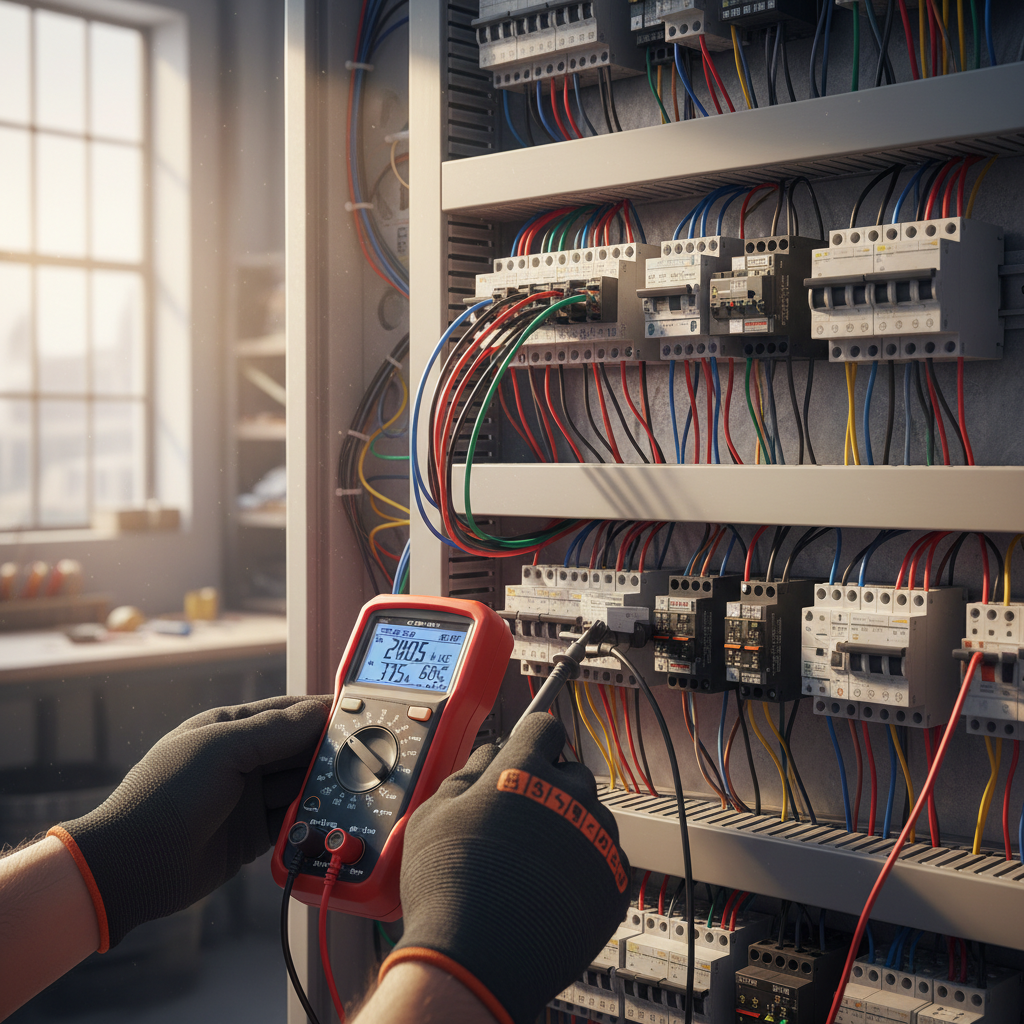
TL;DR: AI-powered real-time diagnostics help electricians identify electrical problems instantly, predict failures before they happen, and improve efficiency. This guide explains how to leverage these tools for smart diagnostics for electrical contractors, enhancing your business with AI diagnostic tools for electricians and real-time electrical fault detection software.
Your How-To Guide: AI-Powered Real-Time Diagnostics for Electricians
Welcome, fellow electricians! The future of our trade is here, and it’s powered by AI diagnostic tools for electricians. Imagine pinpointing electrical faults the moment they occur. This is the power of real-time electrical fault detection software.
Let's dive into how you can harness this technology. It’s about making your job faster, smarter, and more profitable. This guide will break down the process into actionable steps.
Understanding AI-Powered Real-Time Diagnostics
These systems use artificial intelligence to analyze data from your electrical systems. They learn normal operating patterns. Deviations signal potential problems.
This is the core of predictive maintenance for electrical systems. Instead of reacting to breakdowns, you anticipate them. This significantly reduces downtime for your clients.
[!TIP] Think of it like a digital co-pilot for your diagnostic work. It flags issues you might miss, saving you valuable time and effort.
Key Components of AI Diagnostic Systems
What makes these systems tick? Several crucial elements work together.
- Sensors: These devices collect data on voltage, current, temperature, and more. They are the "eyes" of the AI.
- Data Acquisition Hardware: This captures the sensor data and sends it to the AI for processing.
- AI Software Platform: This is where the magic happens. AI troubleshooting for electricians is delivered through sophisticated algorithms.
How to Implement AI-Powered Real-Time Diagnostics
Getting started involves a few key phases. Don't worry; it's more accessible than you might think.
Phase 1: Assessment and Planning
First, identify which of your services can benefit most. Are you dealing with complex industrial machinery or residential electrical panels?
[!IMPORTANT] Predictive maintenance for electrical systems offers the biggest ROI in environments with critical equipment. Understand your clients' needs.
Consider the types of systems you'll be monitoring. AI diagnostic tools for electricians are most effective when applied to areas prone to specific failure modes.
Phase 2: Selecting the Right AI Software
The market offers various solutions. Choosing the right real-time electrical fault detection software is crucial.
We need to compare options. Let's look at a few:
- Voiceflow: While primarily a conversational AI platform, it can be integrated to create smart diagnostic interfaces. Imagine talking to a system that guides you through a fault. It's excellent for building custom AI troubleshooting for electricians workflows that interact with users.
- Vendor-Specific Software: Many manufacturers of electrical equipment offer their own integrated AI diagnostic suites. These are often highly optimized for their products.
- Third-Party AI Analytics Platforms: These platforms can ingest data from various sensor types and offer broad diagnostic capabilities. They can be more flexible but may require more custom setup.
When evaluating, consider ease of use, integration capabilities, and the specific AI features offered.
Phase 3: Installation and Integration
This phase involves physically installing sensors and connecting them to your data acquisition hardware. Next, you'll integrate this hardware with your chosen AI software platform.
Ensure proper network connectivity for real-time electrical fault detection software. Data needs to flow smoothly.
Phase 4: Training and Calibration
Your AI system needs to learn what's "normal" for your clients' electrical systems. This requires initial data collection and calibration.
[!TIP] The more data the AI has, the more accurate its diagnoses will become. Plan for ongoing data collection.
Phase 5: Deployment and Monitoring
Once calibrated, your AI diagnostic tools for electricians are ready. You can now actively monitor systems.
The AI will flag anomalies. You then investigate based on the AI's alerts. This makes your smart diagnostics for electrical contractors approach proactive.
Benefits for Your Business
Embracing AI troubleshooting for electricians offers significant advantages.
- Reduced Downtime: Clients appreciate fewer interruptions. This builds trust and repeat business.
- Increased Efficiency: Faster diagnoses mean more jobs completed. Your team can focus on solutions, not just searching for problems.
- Enhanced Safety: Early detection of faults can prevent dangerous situations. This is paramount in our industry.
- New Service Offerings: Offer predictive maintenance for electrical systems as a premium service. This creates a new revenue stream.
By integrating AI diagnostic tools for electricians, you're not just adopting new technology. You're future-proofing your business and becoming a leader in smart diagnostics for electrical contractors.