Slash Fuel Costs & Ditch Dispatch Headaches: Your Guide to Landscaping Fleet Management
Transform your landscaping business with IoT and GPS fleet management. Boost efficiency, cut costs, and delight customers with real-time tracking and route optimization.
Slash Fuel Costs & Ditch Dispatch Headaches: Your Guide to Landscaping Fleet Management
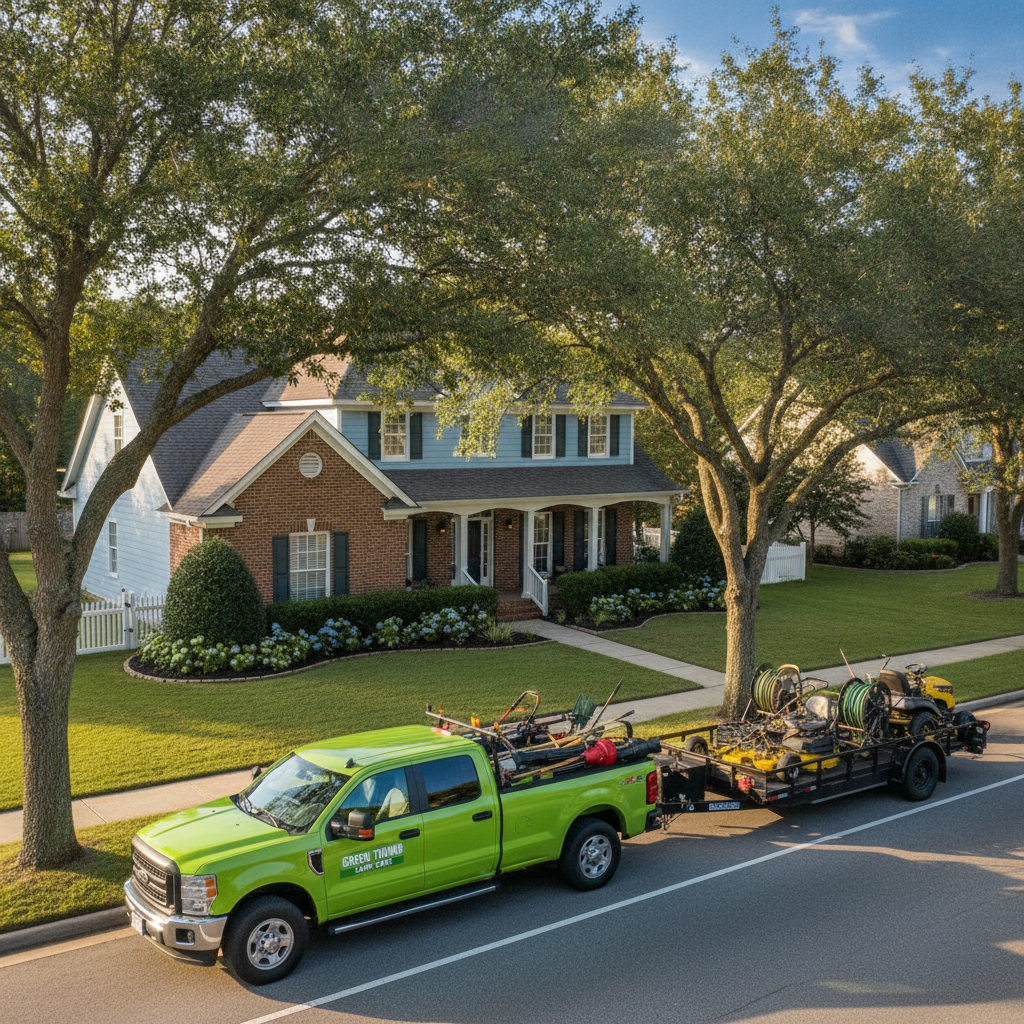
TL;DR IoT and GPS fleet management uses connected devices and location data to improve efficiency, reduce costs, and enhance customer service for landscaping and lawn care businesses. This guide explains how to implement it, the benefits, and compares key solutions like Samsara.
How-To Guide: IoT and GPS Fleet Management for Landscaping & Lawn Care
Welcome, landscaping and lawn care professionals! Are you looking to boost productivity, cut expenses, and deliver a superior customer experience? IoT and GPS fleet management is your answer. This guide will break down how to harness this powerful technology.
What is IoT and GPS Fleet Management?
IoT (Internet of Things) refers to devices that connect to the internet to send and receive data. In fleet management, this includes GPS trackers, vehicle sensors, and even smart tools. GPS (Global Positioning System) specifically uses satellites to pinpoint the exact location of your vehicles and equipment in real-time.
This technology creates a connected ecosystem for your entire fleet. You gain unprecedented visibility into your operations. This allows for better decision-making and resource allocation.
Why Your Landscaping Business Needs It: The Benefits of IoT in Landscaping Fleets
The benefits of IoT in landscaping fleets are substantial. You'll see improved operational efficiency and reduced costs. Enhanced customer satisfaction is another major advantage.
- Real-time Visibility: Know where every vehicle and piece of equipment is at all times. This is crucial for GPS tracking lawn care business operations.
- Route Optimization: Minimize travel time and fuel consumption. This leads to optimizing landscaping routes with GPS.
- Reduced Fuel Costs: Monitor idling time and aggressive driving. This directly impacts your bottom line.
- Improved Maintenance: Proactive maintenance reduces breakdowns and costly repairs.
- Enhanced Productivity: Dispatch the closest crews to jobs and reduce downtime.
- Better Customer Service: Provide accurate arrival times and respond quickly to service calls.
- Increased Safety: Monitor driver behavior and ensure compliance with regulations.
Getting Started: Implementing IoT and GPS Fleet Management
Implementing this technology is a strategic investment. It's about making your IoT fleet management for landscapers a seamless part of your daily operations.
Step 1: Assess Your Needs and Goals
Before choosing a system, understand what you want to achieve. Are you primarily focused on reducing fuel costs or improving crew dispatch? Pinpointing your goals will guide your selection process.
[!TIP] Think about the biggest pain points in your current operations. Is it wasted time on the road, missed appointments, or high fuel bills?
Step 2: Choose the Right Software Platform
The software is the brain of your IoT fleet management for landscapers. It aggregates data from your devices and presents it in an actionable format. Look for user-friendly interfaces and robust reporting features.
- Key Features to Look For:
- Real-time GPS tracking
- Route planning and optimization
- Driver behavior monitoring
- Maintenance scheduling
- Fuel usage reports
- Mobile app for field staff
Step 3: Select and Install Hardware
This includes GPS tracking devices for your vehicles and potentially sensors for equipment. Installation is usually straightforward and can often be done by the provider.
- GPS Trackers: Small, discreet devices that transmit location data.
- Vehicle Sensors: Can monitor engine diagnostics, fuel levels, and more.
- Asset Trackers: For expensive equipment like mowers and blowers.
[!IMPORTANT] Ensure the hardware is durable and designed for the demands of outdoor work.
Step 4: Train Your Team
Your team's buy-in is critical for success. Provide thorough training on how to use the software and understand the data. Explain the benefits to them, such as safer driving and more efficient routes.
- Training Topics:
- Accessing and understanding maps and location data.
- Using the mobile app for job updates.
- Understanding driver scorecards.
- Reporting issues or maintenance needs.
Step 5: Monitor, Analyze, and Adapt
Once implemented, regularly review the data generated by your system. Look for trends, identify areas for improvement, and adjust your strategies accordingly. This is how you truly leverage optimizing landscaping routes with GPS.
- Key Metrics to Track:
- Miles driven per day
- Idle time percentage
- On-time arrival rates
- Fuel consumption
- Speeding incidents
Evaluating Solutions: Samsara vs. Competitors
When looking for cost-effective GPS solutions for lawn care, several platforms stand out. Samsara is a leading provider, known for its comprehensive features. Let's compare it with two other popular options.
-
Samsara:
- Offers an all-in-one platform for IoT fleet management for landscapers.
- Strong in GPS tracking lawn care business needs, with advanced driver monitoring and safety features.
- Includes integrated dash cams and robust maintenance tools.
- Can be a premium option, but offers significant ROI through efficiency gains.
-
Verizon Connect:
- A well-established player with a wide range of telematics solutions.
- Good for businesses looking for a comprehensive suite of services beyond just GPS.
- Offers strong driver behavior insights and fleet maintenance tools.
- Pricing can be competitive, depending on the package chosen.
-
Motive (formerly KeepTruckin):
- Focuses heavily on ELD compliance (if applicable) and driver safety.
- Provides excellent GPS tracking lawn care business capabilities and vehicle diagnostics.
- Known for its user-friendly interface and strong mobile app.
- Often considered a more budget-friendly option, making it a good fit for cost-effective GPS solutions for lawn care.
[!TIP] Always request demos from multiple providers and compare their pricing structures based on your fleet size and specific needs.
The Future of Landscaping with IoT
As technology advances, so too will the capabilities of IoT fleet management for landscapers. Expect integration with smart tools, predictive analytics for equipment failure, and even AI-driven route planning. Embracing these technologies now will position your business for future growth and success.