Slash Drive Time & Fuel Costs: Your Easy Guide to AI Route Optimization for Landscapers
Boost your landscaping business efficiency with AI route optimization. Learn how to cut travel time, save fuel, and increase crew productivity with smart scheduling software.
Slash Drive Time & Fuel Costs: Your Easy Guide to AI Route Optimization for Landscapers
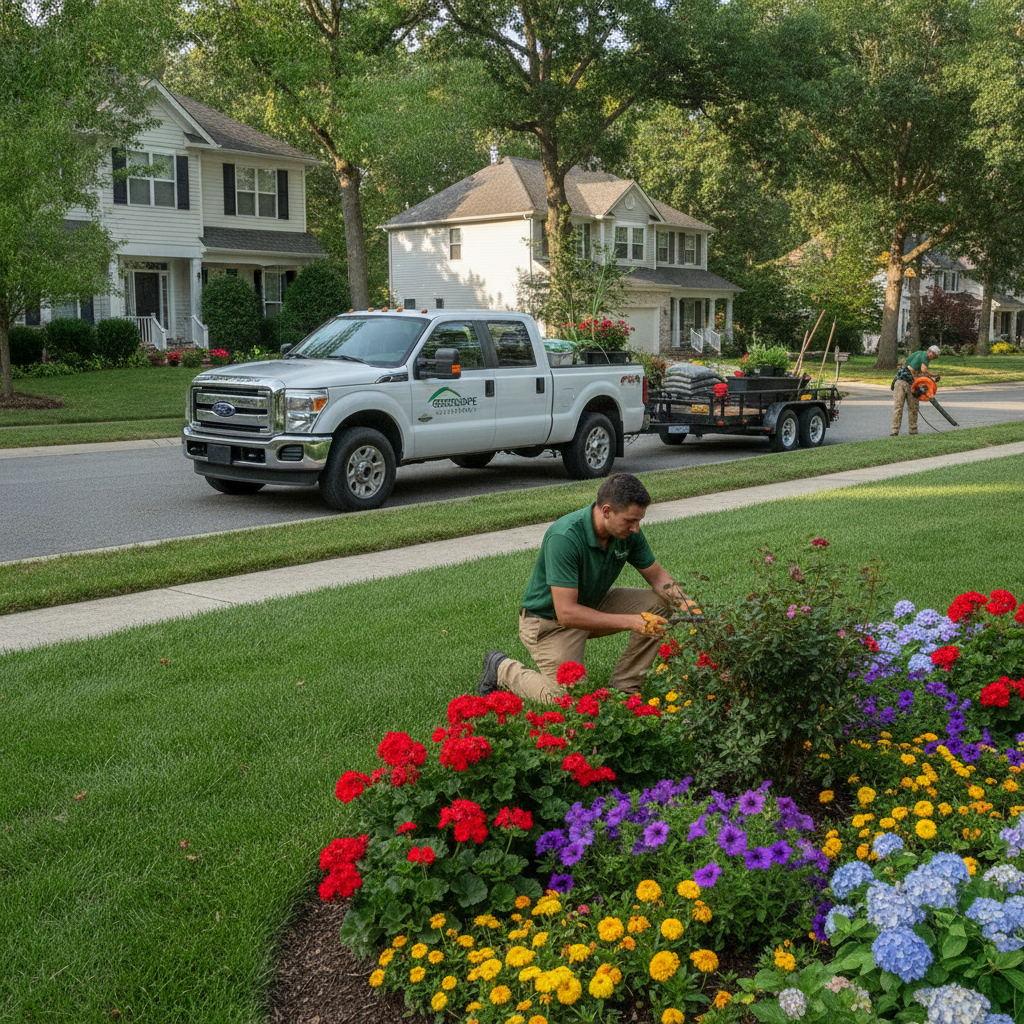
TL;DR: AI route optimization uses algorithms to create the most efficient travel paths for your landscaping crews, saving time and fuel. This guide explains how to implement it for your lawn care business, covering setup, benefits, and choosing the right software.
Welcome, Landscaping and Lawn Care Owners! Let's talk about a game-changer for your business: AI Route Optimization. This technology can transform how you manage your daily operations, making your crews more productive and your bottom line healthier.
What is AI Route Optimization?
AI route optimization is a technology that uses artificial intelligence to calculate the most efficient paths for your service vehicles. It considers many factors to create a dynamic schedule. This leads to significant savings in time and fuel.
It's more than just mapping out the shortest distance. It accounts for traffic, job durations, and even your team's specific skills. This makes it a powerful tool for any landscaping business looking to improve efficiency.
Why Use AI Route Optimization for Landscaping?
Imagine finishing your day earlier, with fewer miles driven and happier clients. That's the power of AI route optimization landscaping. You can see a real impact on your operational costs.
It helps you automate route scheduling landscaping business, freeing up your valuable time. This allows you to focus on growing your business, not just managing logistics.
[!TIP] Automating your routes means less time spent on manual planning each morning. Your dispatchers or you can focus on customer service and sales.
Key Benefits for Your Lawn Care Business
- Reduced Travel Time & Fuel Costs: Shorter routes mean less gas burned and more jobs completed. This is a direct hit on your operating expenses.
- Increased Crew Productivity: More efficient routes mean crews can fit more appointments into their day. This directly boosts your revenue potential.
- Improved Customer Satisfaction: Arriving on time, every time, builds trust. Smart route software for lawn maintenance ensures punctuality.
- Better Resource Allocation: Know exactly where your crews are and what they're doing. This helps with managing equipment and manpower effectively.
- Data-Driven Decisions: Gain insights into your operations. Understand which routes are most profitable and identify areas for improvement.
How to Implement AI Route Optimization
Getting started is simpler than you might think. Most software platforms are designed to be user-friendly.
Step 1: Gather Your Data
You'll need accurate information to feed the AI. This is the foundation of effective AI logistics for landscapers.
- Client Addresses: Ensure all addresses are precise.
- Job Details: Note the estimated time for each service.
- Crew Schedules: Understand your team's working hours.
- Vehicle Information: Details like capacity and any restrictions.
Step 2: Choose Your Software
Selecting the right best route planning software lawn care is crucial. Consider features, pricing, and ease of use.
Here's a comparison of Route4Me with two other popular options:
-
Route4Me: A well-established platform known for its comprehensive route optimization capabilities and driver mobile app. It offers features like dynamic routing, proof of delivery, and GPS tracking. Many landscaping businesses find its scalability a significant advantage.
-
OptimoRoute: This software excels in optimizing routes for complex scenarios. It handles time windows, multi-stop routes, and delivery capacity effectively. It's a strong contender for businesses with intricate scheduling needs.
-
Onfleet: Onfleet focuses on last-mile delivery and service operations. It provides real-time tracking, driver management, and customer notifications. Its user-friendly interface is often praised by field service teams.
[!IMPORTANT] When comparing, look for features that are specifically relevant to lawn care services, such as recurring appointment scheduling and ability to group jobs by location.
Step 3: Input Your Data into the Software
Once you've selected a platform, you'll input the data gathered in Step 1. Most systems allow for easy import via spreadsheets.
The AI route optimization engine will then process this information. It begins to build the most efficient routes.
Step 4: Review and Deploy Routes
Before sending your crews out, review the suggested routes. The software often provides visual maps.
You can usually make minor adjustments if needed. Then, deploy the routes to your drivers via their mobile app.
Step 5: Monitor and Refine
The work doesn't stop once routes are deployed. Real-time tracking is key for AI logistics for landscapers.
- Track Crew Progress: See where your teams are and if they're on schedule.
- Handle Exceptions: Address any unexpected delays or changes.
- Analyze Performance: Use the software's reports to understand what's working.
- Continuously Improve: The AI learns from your data. Refine inputs for even better results over time.
Making AI Work for Your Landscaping Business
Embracing AI route optimization is about more than just technology; it's about smarter business. It's the future for efficient lawn care businesses.
By leveraging these tools, you can create a more streamlined, profitable, and customer-focused operation. Start exploring your options today!