How to Win More Electrical Jobs by Automating Your Bids with AI
Streamline electrical bids with AI estimating software. Discover how to implement automated takeoff, improve accuracy, and boost profitability in your business.
How to Win More Electrical Jobs by Automating Your Bids with AI
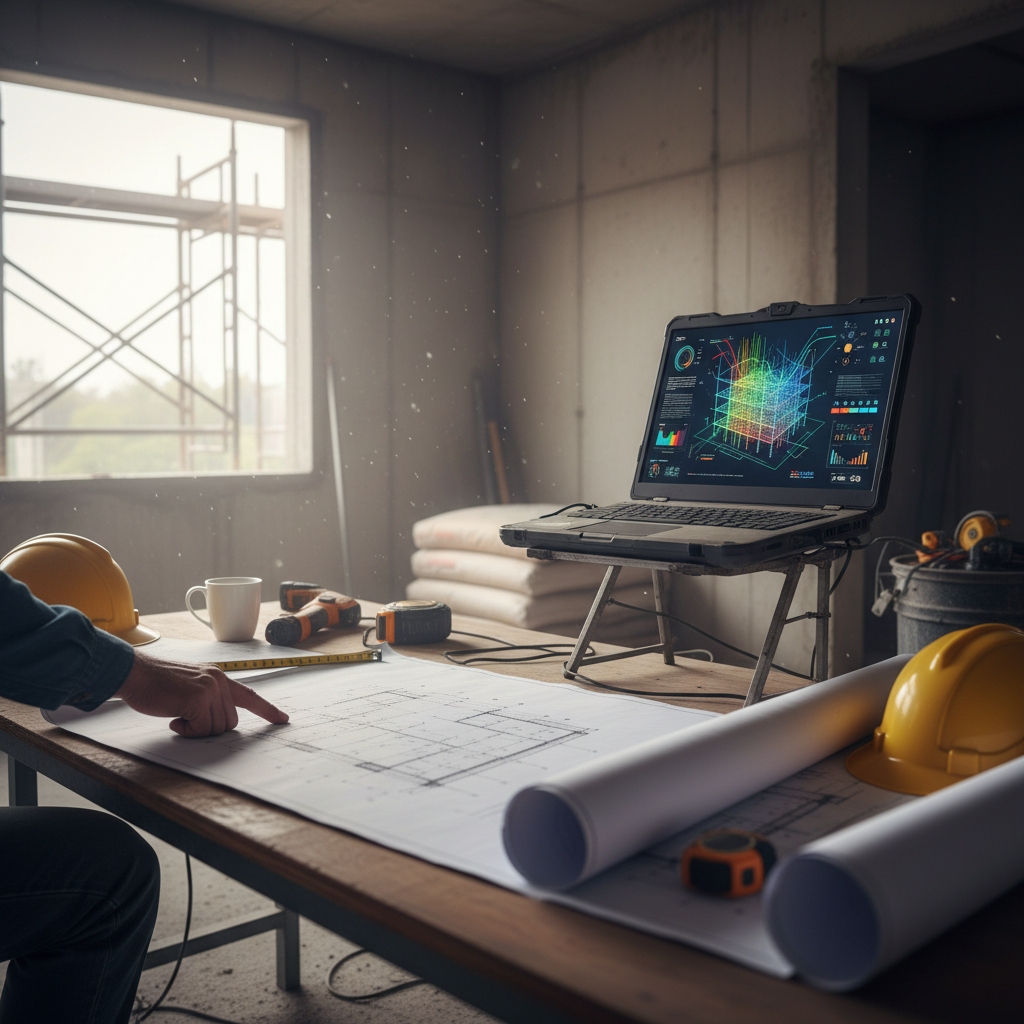
TL;DR: AI-powered estimating automates your electrical bids, saving time and increasing accuracy. This guide shows you how to implement it, comparing Drawer AI with other leading solutions and highlighting its benefits for your business.
How to Implement AI-Powered Automated Estimating for Your Electrical Business
As an electrician owner, your time is valuable. AI estimating software for electricians can revolutionize your bid process. It takes the grunt work out of takeoff and pricing, letting you focus on winning more jobs.
This guide will walk you through implementing AI-powered automated estimating. We'll cover the benefits, how it works, and how to choose the right tool. It's about making your business more efficient and profitable.
Understanding AI-Powered Estimating
AI in estimating uses artificial intelligence to analyze project plans and drawings. It automatically identifies and quantifies materials and labor. This is a significant upgrade from manual takeoffs, which are prone to human error.
The goal is to provide faster, more accurate electrical bid software. This technology helps you respond to bid requests quicker and with greater confidence in your numbers. It's a key step towards automated electrical bid software.
The Benefits for Electricians
- Time Savings: Significantly reduces the time spent on manual takeoffs and calculations.
- Increased Accuracy: Minimizes errors from manual measurements and estimations.
- Improved Profitability: More accurate bids lead to better project margins.
- Faster Turnaround: Enables you to submit bids more quickly, beating competitors.
- Scalability: Allows you to handle more bids without proportionally increasing staff.
[!TIP] Think of AI construction estimating tools as your digital assistant. It handles the repetitive tasks, freeing you to focus on strategic growth.
How AI Estimating Software Works
The process typically involves uploading your project plans. The AI then uses image recognition and machine learning to interpret these documents. It identifies different components like conduit, wire, fixtures, and panels.
The software then calculates the quantities needed. It often integrates with material cost databases to generate pricing. This comprehensive approach leads to a more complete estimate.
Choosing the Right AI Estimating Software
Selecting the best AI estimating software is crucial. Consider features like ease of use, integration capabilities, and customer support. Every business has unique needs, so a demo is essential.
We'll look at a few options to help you make an informed decision. Understanding electrician estimating software comparison points will guide your choice.
Comparing Top AI Estimating Solutions
When comparing AI estimating software for electricians, several factors stand out. Here’s a look at Drawer AI and two other popular choices.
Drawer AI
- Strengths: Drawer AI is known for its intuitive interface and powerful AI capabilities. It excels at automatic quantity takeoff from various document types. Many users praise its ability to learn and adapt to specific project nuances.
- Key Features: Advanced image recognition, material database integration, customizable reporting.
- Ideal For: Electricians looking for a user-friendly yet robust solution to streamline their entire estimating workflow.
Competitor A (e.g., Procore Estimating)
- Strengths: Often part of a larger project management suite, offering seamless integration with other construction management tools. Strong on collaboration features and a comprehensive feature set for broader construction needs.
- Considerations: Can have a steeper learning curve. May be more feature-rich than an electrician solely focused on estimating needs.
Competitor B (e.g., PlanSwift)
- Strengths: A long-standing player in digital takeoff, offering a highly customizable and detailed takeoff experience. Excellent for detailed, hands-on takeoff by experienced estimators. Strong visual takeoff capabilities.
- Considerations: Less AI-driven automation compared to newer platforms like Drawer AI. The emphasis is more on manual digital takeoff with some automated features.
[!IMPORTANT] When evaluating electrician estimating software comparison, prioritize solutions that align with your current workflow and future growth plans.
Implementing AI Estimating in Your Business
Step 1: Define Your Needs
- What types of projects do you bid on most frequently?
- What are your biggest pain points in the current estimating process?
- What is your budget for new software?
Step 2: Research and Demos
- Shortlist 2-3 AI estimating software options that meet your initial criteria.
- Request personalized demos from each vendor. This is your chance to ask specific questions.
- During the demo, ask them to process a real project plan you've recently worked on.
Step 3: Pilot Program
- Select one automated electrical bid software for a pilot test.
- Involve key members of your estimating team.
- Use the software on a few actual bids, comparing results with your traditional methods.
Step 4: Training and Integration
- Ensure your team receives thorough training on the chosen software.
- Integrate the software with your existing accounting or project management systems, if possible. This further automates your workflow.
Step 5: Ongoing Optimization
- Regularly review the accuracy and efficiency gains.
- Provide feedback to the software vendor for potential improvements.
- Stay updated on new features and best practices for using your AI construction estimating tools.
By embracing AI estimating software for electricians, you're investing in the future of your business. It's a smart move towards greater efficiency, accuracy, and profitability in your electrical contracting operations.