How to Supercharge Your HVAC Diagnostics and Slash Repair Times with AI
Revolutionize your HVAC business with AI-powered diagnostics and support. Get faster, more accurate repairs, reduce callbacks, and boost technician expertise.
How to Supercharge Your HVAC Diagnostics and Slash Repair Times with AI
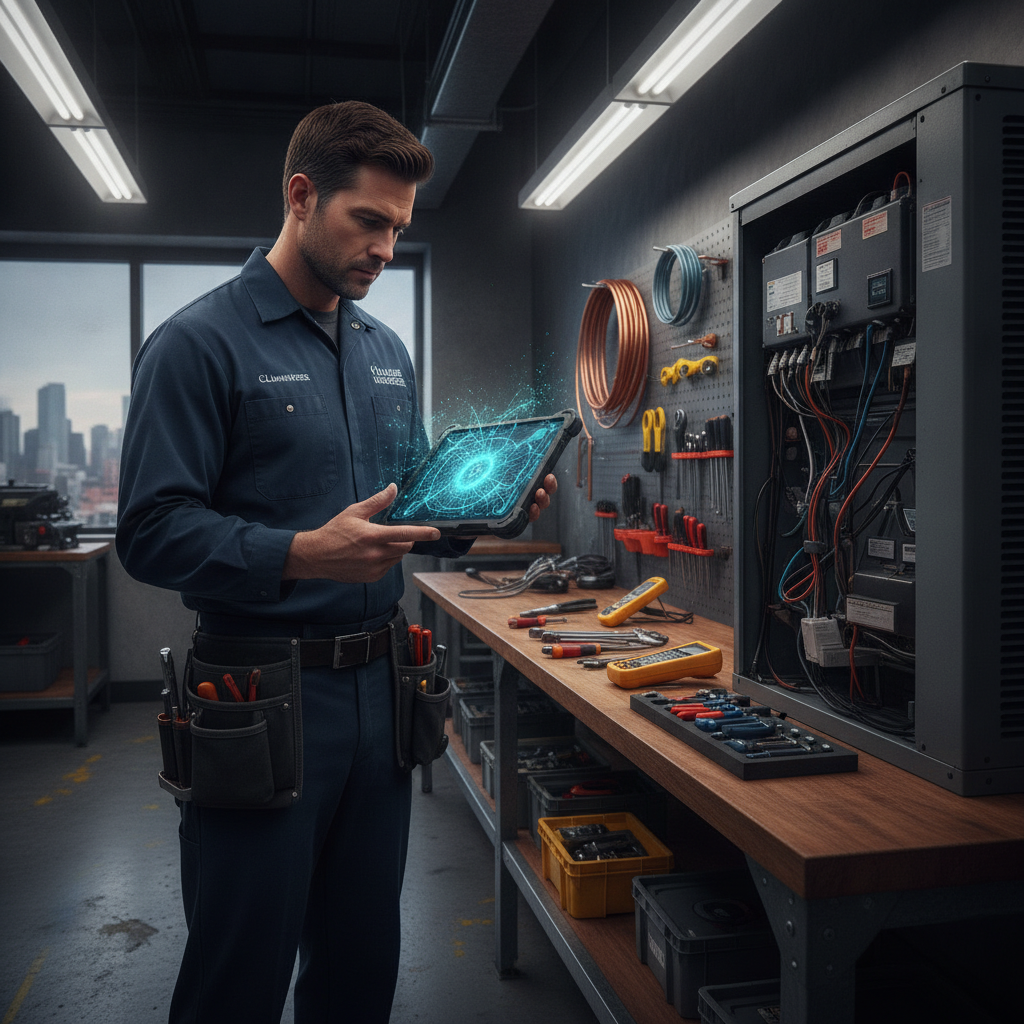
TL;DR: Leverage AI-powered tools for faster, more accurate HVAC diagnostics and support. These systems can analyze fault codes, customer symptoms, and historical data to suggest solutions, saving you time and improving customer satisfaction. Think of it as having an expert on call, 24/7.
AI-Powered Technical Support and Diagnostics: Your New HVAC Superpower
As an HVAC contractor owner, staying ahead means embracing new technologies that boost efficiency and expertise. Artificial intelligence for HVAC repair is no longer science fiction; it's a practical tool ready to transform your operations. This guide will walk you through how to integrate AI HVAC diagnostics and AI technical support for HVAC into your daily workflow.
What is AI-Powered HVAC Support?
Imagine a digital assistant that understands complex HVAC systems and can help your technicians diagnose issues faster than ever before. AI HVAC diagnostics and AI technical support for HVAC leverage machine learning algorithms to analyze data, identify patterns, and provide actionable insights. This technology is designed to augment your team's knowledge, not replace it.
[!TIP] The goal of these AI systems is to reduce diagnostic time, minimize callbacks, and empower your technicians with on-demand expertise, even for unfamiliar equipment.
Getting Started with AI for Your Business
Adopting AI might seem daunting, but the process is more straightforward than you think. It begins with understanding the core benefits and then selecting the right tools for your needs. Focus on solutions that integrate easily with your existing operations.
Step 1: Understanding the Benefits
- Faster Diagnostics: AI can process vast amounts of technical data in seconds, pinpointing potential causes of system failure. This speeds up your HVAC AI troubleshooting.
- Improved Accuracy: By analyzing trends and historical data, AI can suggest more accurate diagnoses than manual guesswork.
- Enhanced Training: AI tools can act as a learning resource for your technicians, exposing them to a wider range of potential issues and solutions.
- Predictive Maintenance: Advanced AI can even assist with predictive maintenance HVAC AI, identifying potential component failures before they happen.
Step 2: Evaluating AI Solutions
There are several AI platforms emerging in the HVAC space. It's crucial to compare them based on features, ease of use, and cost.
-
Bluon AI Master Mechanic:
- Strengths: Known for its comprehensive diagnostic capabilities and extensive equipment database. It aims to provide step-by-step guidance and accurate troubleshooting suggestions for a wide array of HVAC units.
- Focus: Detailed fault code analysis and direct repair recommendations.
-
Competitor A (Example: Generic AI Diagnostic Tool):
- Strengths: May offer broader AI capabilities like natural language processing for symptom input.
- Weaknesses: Might lack the specific, deep HVAC technical data that specialized tools possess, potentially leading to less precise recommendations.
-
Competitor B (Example: Manufacturer-Specific AI):
- Strengths: Deep expertise on a particular brand's equipment.
- Weaknesses: Limited utility if your company services multiple brands, requiring separate tools or lacking cross-brand support.
[!IMPORTANT] When comparing, look for a solution that offers AI HVAC diagnostics across the brands you service and provides clear, actionable guidance for your technicians.
Step 3: Implementation and Training
Once you've chosen a platform, integration is key. Most modern AI tools are cloud-based and accessible via mobile devices.
- Onboarding: Work with the provider to set up your account and familiarize yourself with the software's interface.
- Technician Training: Conduct hands-on training sessions for your team. Emphasize how to input information accurately and interpret the AI's suggestions.
- Pilot Program: Consider a pilot program with a few technicians to gather feedback and refine your training approach before a full rollout.
Integrating AI into Your Daily Workflow
Making AI a part of your routine is essential for maximizing its benefits in AI technical support for HVAC.
For Technicians in the Field:
- Initial Diagnosis: When a technician arrives at a job, they can use the AI tool to input system symptoms or fault codes immediately. This kicks off the HVAC AI troubleshooting process.
- On-Demand Information: If a technician encounters an unfamiliar error or piece of equipment, the AI can provide instant technical data and repair procedures. This is invaluable for artificial intelligence for HVAC repair.
- Documentation: Many AI platforms integrate with CRM or dispatch software, allowing for seamless recording of diagnostic findings and repair steps.
For the Office and Management:
- Performance Monitoring: Use AI-generated data to track common issues, technician performance, and equipment reliability. This can inform training needs.
- Predictive Maintenance HVAC AI: Proactively schedule maintenance based on AI-driven insights, reducing costly emergency calls and improving customer satisfaction.
- Knowledge Base Growth: As your team uses the AI, it learns from their inputs and successes, constantly improving its diagnostic accuracy over time.
The Future is Now
Embracing AI HVAC diagnostics and AI technical support for HVAC is not just about staying competitive; it's about providing superior service. By investing in these technologies, you're empowering your team, optimizing your operations, and positioning your business for sustained growth in the evolving HVAC landscape.