How to Supercharge Your Auto Inspections and Eliminate Guesswork with AI
Revolutionize your auto shop with AI computer vision inspections. Boost efficiency, accuracy, and customer trust with smart car diagnostics.
How to Supercharge Your Auto Inspections and Eliminate Guesswork with AI
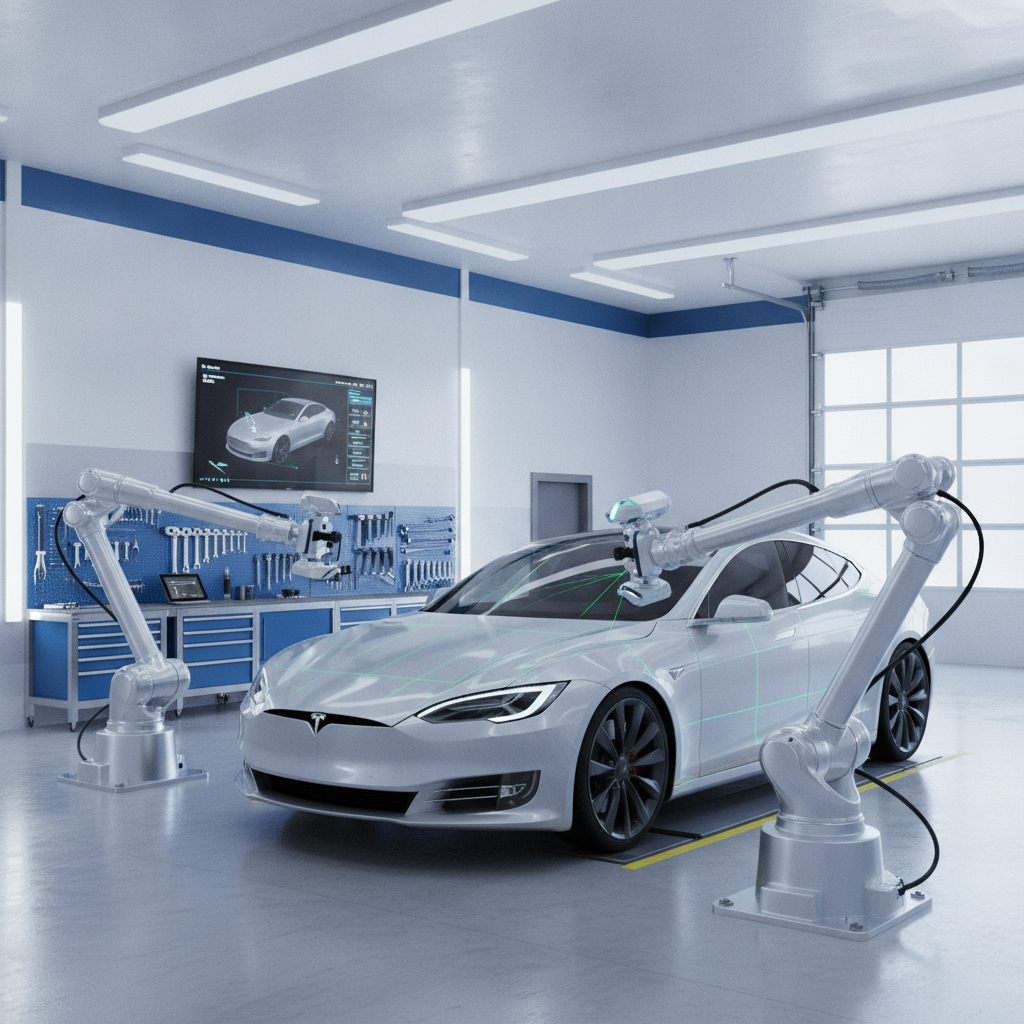
TL;DR AI Computer Vision Inspections use cameras and AI to quickly scan vehicles, identifying potential issues like dents, scratches, and leaks. This smart car inspection technology saves time, improves accuracy, and enhances customer trust. We'll cover what it is, how it works, its benefits, and how to choose the right AI auto inspection software for your shop.
What are AI Computer Vision Inspections?
AI Computer Vision Inspections are a revolutionary way to inspect vehicles. They leverage computer vision for car repair, using cameras and sophisticated algorithms to "see" and analyze a vehicle. This technology allows for automated vehicle diagnostics that are faster and often more thorough than traditional manual methods.
Think of it as giving your inspection process AI-powered inspection tools for auto shops. It's about automating the visual check of a car. This system can detect a wide range of issues, from minor cosmetic flaws to potential mechanical problems.
How Does it Work?
It all starts with specialized cameras. These cameras capture high-resolution images and videos of the vehicle from various angles. The AI auto inspection software then processes these images.
The AI analyzes the visual data for anomalies. It's trained on millions of images to recognize patterns associated with damage or wear. This could include identifying paint imperfections, tire wear, fluid leaks, or even engine component issues.
Key Steps in the Process:
- Data Capture: Cameras scan the vehicle, collecting visual information.
- AI Analysis: The computer vision for car repair algorithms process the images.
- Issue Identification: The software flags potential problems, categorizing them by severity.
- Reporting: A detailed report is generated, often with visual evidence.
Benefits for Your Auto Shop
Implementing AI-powered inspection tools for auto shops offers significant advantages. One of the biggest is time savings. Imagine cutting your inspection time in half or even more.
[!TIP] Reduced human error leads to more consistent and reliable inspections, boosting customer confidence in your diagnoses.
This technology also improves the customer experience. Transparent reporting builds trust. Customers can see exactly what the AI has identified.
- Increased Efficiency: Faster inspections mean more vehicles processed.
- Enhanced Accuracy: Reduces missed issues and false positives.
- Improved Customer Trust: Clear, visual reporting builds confidence.
- Better Documentation: Creates a digital record of vehicle condition.
Choosing the Right AI Auto Inspection Software
Selecting the right AI auto inspection software is crucial for successful adoption. Consider your shop's specific needs and budget. What types of vehicles do you typically service? What level of detail do you require?
[!IMPORTANT] Not all AI solutions are created equal. Look for robust reporting features, ease of integration with your existing systems, and strong customer support.
Let's look at some popular options:
- UVeye: Known for its rapid underbody and exterior scanning capabilities. They offer high-speed inspection systems that can cover a vehicle in seconds. UVeye focuses heavily on defect detection for large volumes of vehicles.
- Manufacturer-Specific AI Tools: Some OEMs are developing their own automated vehicle diagnostics platforms integrated into their service tools. These can be very precise for specific brands.
- General AI Inspection Platforms: Other companies offer more generalized computer vision for car repair solutions that might require more setup but offer broader customization. These can be integrated with existing cameras and workflows.
Getting Started with AI Computer Vision
The journey to smart car inspection technology starts with research. Understand the various AI auto inspection software options available. Then, consider a pilot program or a demo.
[!TIP] Start small. Implement the technology in one bay or for a specific inspection process first.
Train your team on how to use the new tools. Emphasize the benefits for both the shop and the customer. This is a game-changer for modern auto repair.