How to Stop Wasting Gas and Time: Master Your Landscaping Routes with AI
Streamline your landscaping business with AI route optimization. Save time, cut fuel costs, and boost customer satisfaction. Learn how to implement it step-by-step.
How to Stop Wasting Gas and Time: Master Your Landscaping Routes with AI
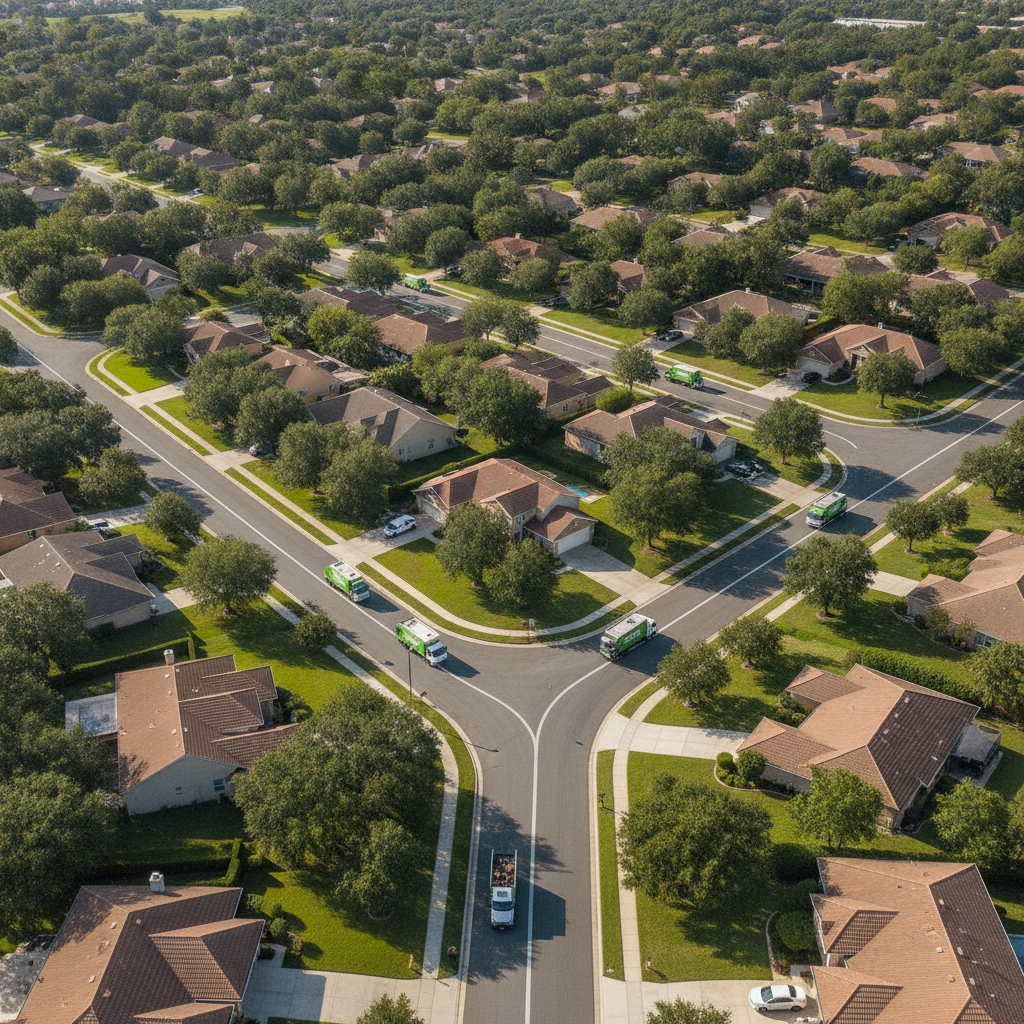
TL;DR: AI route optimization uses algorithms to create the most efficient routes for your landscaping crews. This saves time, fuel, and money while improving customer satisfaction. Implementing AI route optimization for lawn care can significantly boost your business.
Welcome, landscaping and lawn care business owners! Let's talk about a game-changer: AI route optimization. This technology is designed to make your operations smoother and more profitable.
You’re likely juggling multiple clients, different service needs, and varying locations. Manually planning routes is time-consuming and often leads to inefficiencies. AI route optimization is the solution to this common challenge.
What is AI Route Optimization?
At its core, AI route optimization uses intelligent algorithms to determine the most efficient sequence of stops for your service vehicles. It considers factors like traffic, distance, and appointment windows. This goes beyond simple GPS mapping.
It's about finding the best way to get your crews to all their jobs. Think of it as a super-smart assistant planning your entire day, or even week, for multiple teams. This is where AI dispatch software for lawn service truly shines.
Why Use AI Route Optimization for Your Landscaping Business?
The benefits are substantial. You'll see reduced fuel costs as crews travel fewer miles. Increased productivity means more jobs completed per day.
Improved customer satisfaction is a huge bonus. Accurate arrival times and faster service build trust and loyalty. This is crucial for best route planning software landscapers to offer.
[!TIP] Think of the time your office staff or you spend planning routes. With AI route optimization, that time can be reinvested in sales, customer service, or strategic growth.
How to Implement AI Route Optimization
Getting started is simpler than you might think. It primarily involves choosing the right software and integrating it into your workflow. This is where GPS routing for landscaping businesses becomes essential.
Step 1: Assess Your Needs
Before looking at software, understand your current challenges.
- How many crews do you have?
- What is your typical service area?
- What are your busiest times of year?
- Do you have specific client service windows?
This assessment will help you identify features most critical for your business.
Step 2: Research Software Options
There are several players in the AI route optimization market. Let's compare a few.
-
Route4Me: A well-established platform known for its comprehensive features. It offers a user-friendly interface and robust route planning capabilities. Route4Me is often praised for its flexibility.
-
OptimoRoute: Another strong contender focusing on dynamic route planning and optimization. It handles complex constraints and offers excellent real-time adjustments.
-
WorkWave Route Manager: This software is designed specifically for field service businesses. It integrates scheduling, routing, and driver management.
[!IMPORTANT] When comparing, look for features like real-time traffic updates, driver tracking, and proof of delivery. These are vital for effective GPS routing for landscaping businesses.
Step 3: Choose and Integrate Your Software
Based on your needs and research, select the best route planning software landscapers find valuable. Most offer free trials. Use these to test how well they work for your specific operations.
The integration process usually involves uploading your client list and job details. You'll then configure service times, crew availability, and any special instructions. This is how you automate lawn care routes.
Step 4: Train Your Team
Your crews need to understand how to use the new system. Most modern software has mobile apps for drivers. Ensure they know how to access their routes, update job status, and use navigation features.
Effective training minimizes disruption and maximizes adoption. This is key for successful AI dispatch software for lawn service.
Step 5: Monitor and Refine
Once implemented, don't just set it and forget it. Monitor the results.
- Are routes consistently efficient?
- Are fuel costs decreasing?
- Are customers happier with service times?
Use the data provided by the software to make adjustments. This iterative process ensures you continuously benefit from AI route optimization for lawn care.
Common Challenges and Solutions
-
Resistance to Change: Some team members might be hesitant. Emphasize how the software makes their jobs easier, not harder. Highlight time savings and reduced stress.
-
Data Accuracy: The software relies on accurate client addresses and service details. Implement a process for verifying this information.
-
Dynamic Changes: Unexpected issues like traffic jams or client cancellations can occur. Good AI route optimization software allows for real-time re-optimization.
By embracing AI route optimization, you’re investing in the future of your landscaping and lawn care business. You'll be more efficient, more profitable, and better positioned to serve your clients.