How to Stop HVAC Emergencies and Automate Your Maintenance with IoT
Revolutionize your HVAC business with IoT predictive maintenance. Prevent costly breakdowns, boost efficiency, and delight clients with proactive upkeep. Learn how!
How to Stop HVAC Emergencies and Automate Your Maintenance with IoT
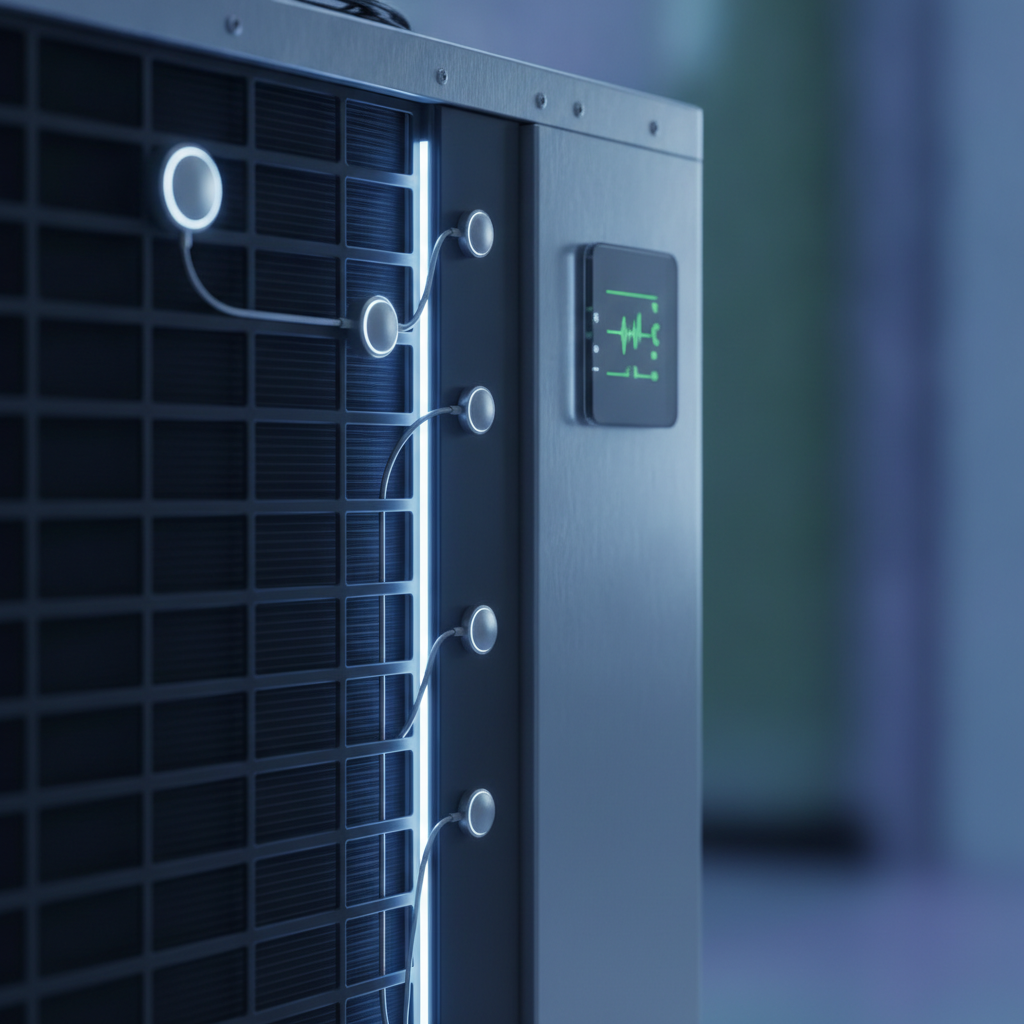
TL;DR: IoT-based predictive maintenance for HVAC shifts you from reactive repairs to proactive upkeep. It uses sensors and data analytics to predict equipment failures before they happen, saving you money, time, and client headaches. This guide explains how to implement smart HVAC maintenance strategies using HVAC remote monitoring solutions.
Your Contractor's Guide to IoT-Based Predictive Maintenance for HVAC
Tired of emergency calls and costly breakdowns? IoT predictive maintenance for HVAC is your ticket to a smarter, more profitable business. It’s about knowing what's coming before it hits.
What is IoT-Based Predictive Maintenance?
It’s using Internet of Things (IoT) devices to gather real-time data from your HVAC systems. This data is then analyzed to anticipate potential issues. Think of it as a doctor constantly monitoring your patient's vital signs.
This approach helps you move beyond reactive repairs. Instead, you embrace smart HVAC maintenance strategies. This means fixing problems before they cause significant downtime or expensive damage.
Why Adopt IoT for Your HVAC Business?
The benefits are substantial for your bottom line and client satisfaction. You’ll see fewer callbacks and happier customers. IoT for commercial HVAC maintenance is becoming the new standard.
- Reduced Downtime: Proactively addressing issues prevents unexpected system failures.
- Lower Repair Costs: Catching small problems early is much cheaper than fixing major breakdowns.
- Extended Equipment Lifespan: Regular, optimized maintenance keeps your units running longer.
- Improved Client Relationships: Consistent, reliable service builds trust and loyalty.
[!TIP] Start small. Pilot an IoT predictive maintenance for HVAC solution on a few key clients or high-value equipment.
The Core Components of an IoT Predictive Maintenance System
Building a successful system involves several key pieces working together seamlessly. It's an investment in your future efficiency.
1. IoT Sensors
These are the eyes and ears of your system. They are installed on critical HVAC components.
- Temperature sensors: Monitor ambient and system temperatures.
- Pressure sensors: Track refrigerant and air pressure levels.
- Vibration sensors: Detect unusual movement in motors and compressors.
- Current sensors: Measure electrical load on components.
These sensors continuously collect vital data, feeding it into your analysis platform. This raw data is crucial for HVAC equipment failure prediction.
2. Connectivity
Your sensors need a way to send their data. This is where robust connectivity comes in.
- Wi-Fi: Common for indoor or near-access points.
- Cellular (LTE/5G): Ideal for remote locations or where Wi-Fi is unreliable.
- LoRaWAN: A low-power, long-range option for widespread sensor deployment.
Secure and reliable connections are paramount. You need to ensure data integrity.
3. Data Platform/Software
This is the brain of your operation. It collects, stores, and analyzes the sensor data.
- Cloud-based platforms: Offer scalability and accessibility from anywhere.
- Proprietary software: Some equipment manufacturers offer their own solutions.
- Third-party analytics tools: Integrate with various sensor types.
This is where the magic of HVAC remote monitoring solutions truly shines.
4. Analytics and AI
The collected data is useless without analysis. This is where you identify patterns and predict failures.
- Machine learning algorithms: Learn normal operating behavior.
- Anomaly detection: Flags deviations from the norm.
- Predictive modeling: Forecasts when a component is likely to fail.
This intelligent analysis is the core of HVAC equipment failure prediction.
[!IMPORTANT] Data security is critical. Ensure your chosen platform has robust cybersecurity measures in place to protect sensitive client and operational data.
Implementing IoT Predictive Maintenance: A Step-by-Step Guide
Ready to get started? Follow these steps to integrate IoT predictive maintenance for HVAC into your business.
Step 1: Define Your Goals and Scope
- What do you want to achieve? (e.g., reduce emergency calls by X%, improve client retention).
- Which systems or clients will you start with? Focus on high-impact areas first.
- What is your budget for initial investment?
Step 2: Select Your Technology Partners
This is a crucial decision. Choose reliable vendors for sensors and software.
- Consider ease of installation and integration.
- Look for robust data analytics capabilities.
- Evaluate customer support and training.
Step 3: Sensor Deployment and Installation
- Work with your technicians to install sensors on critical HVAC components.
- Ensure proper calibration and secure mounting.
- Test connections to confirm data transmission.
Step 4: Data Integration and Platform Setup
- Configure your chosen HVAC remote monitoring solutions platform.
- Integrate sensor data streams into the system.
- Set up user accounts and access permissions.
Step 5: Establish Baseline and Anomaly Thresholds
- Allow the system to learn normal operating parameters for each piece of equipment.
- Define acceptable ranges for key metrics like temperature, pressure, and vibration.
- Configure alerts for when these thresholds are breached.
Step 6: Analyze Data and Schedule Proactive Maintenance
- Regularly review the data and alerts from your platform.
- Use the insights to identify potential issues.
- Schedule maintenance appointments proactively, before failures occur.
Step 7: Train Your Team
- Educate your technicians on the new technology and processes.
- Train them on how to interpret data and respond to alerts.
- Empower them to be proactive problem-solvers.
Comparing Solutions: What's Out There?
The market offers various platforms to support IoT predictive maintenance for HVAC. Here's a brief look at some options.
- CoolAutomation: Known for its focus on HVAC efficiency and remote management. They often offer integrated solutions with strong analytics for fault detection. Their platforms are designed to be user-friendly for contractors. (CoolAutomation)
- Johnson Controls (Metasys): A comprehensive building automation system that includes predictive capabilities. It’s a powerful, enterprise-level solution often used in larger commercial settings. (Johnson Controls)
- Siemens (Building Management Systems): Similar to Johnson Controls, Siemens offers robust building management solutions with integrated IoT and analytics for predictive maintenance. These are typically complex and best suited for large-scale deployments. (Siemens)
When choosing, consider ease of use for your technicians, the depth of analytics, and the overall cost of ownership. CoolAutomation often appeals to contractors looking for a more focused and potentially easier-to-implement solution specifically for HVAC.
The Future is Proactive
Embracing IoT predictive maintenance for HVAC isn't just about technology; it's about a shift in your business strategy. It's about leading the pack in efficiency and reliability.
By implementing smart HVAC maintenance strategies powered by HVAC remote monitoring solutions, you’ll build a more resilient, profitable, and respected business. Start your journey today.