How to Stop Electrical Guesswork: Your Guide to AI-Powered Diagnostics
Revolutionize your electrical business with AI-powered diagnostics. Learn how to implement smart troubleshooting tools for faster, safer, and more efficient electrical services.
How to Stop Electrical Guesswork: Your Guide to AI-Powered Diagnostics
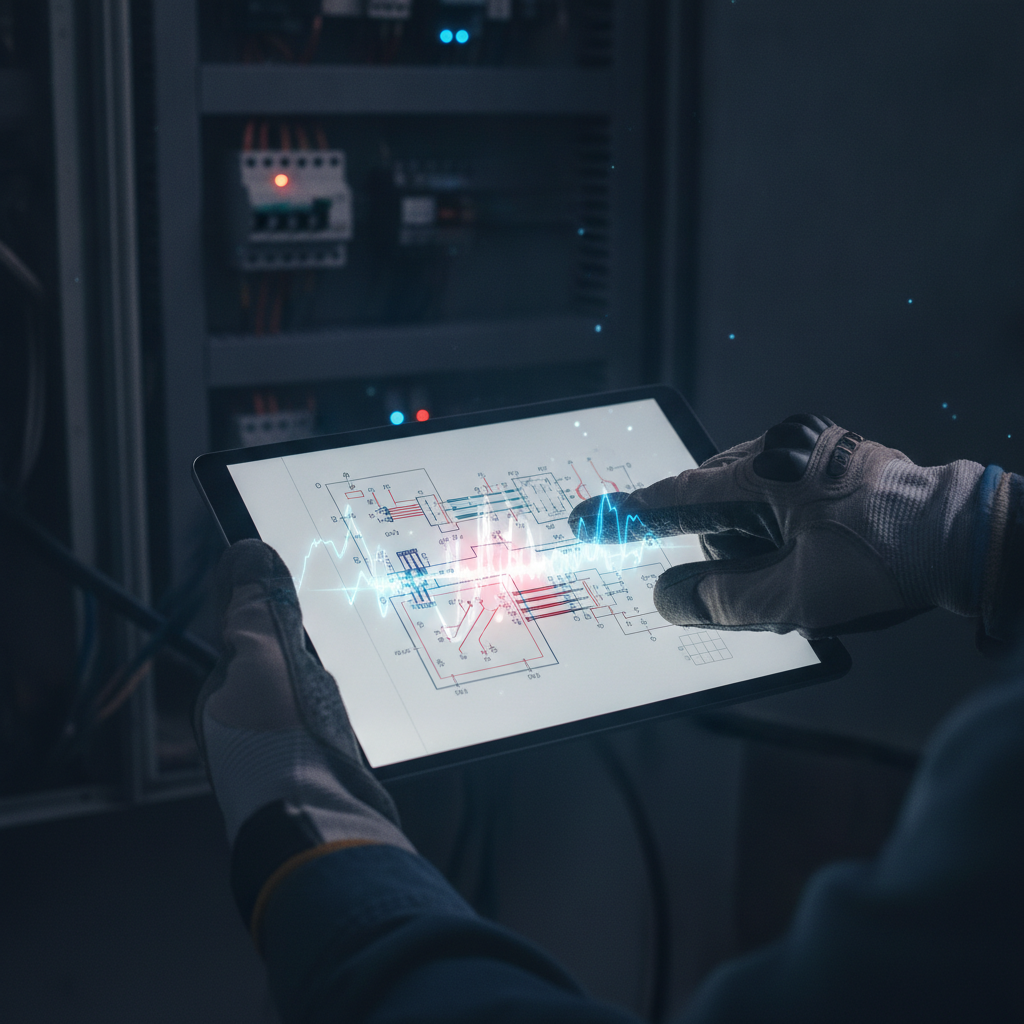
This guide provides a high-level overview of how AI-powered diagnostics can revolutionize your electrical business. It covers the benefits, implementation steps, and key considerations for adopting these smart electrical troubleshooting tools. Expect to see improved efficiency and reduced downtime with AI diagnostics for electricians.
AI-Powered Real-Time Diagnostics: A Game Changer for Electricians
AI diagnostics for electricians are no longer a futuristic concept. They are here, offering powerful ways to improve your services. Imagine identifying electrical issues before they cause major problems. This is the promise of real-time electrical fault detection.
This technology leverages advanced algorithms to analyze electrical data. It can spot anomalies that human eyes might miss. This leads to faster, more accurate diagnoses.
Why Embrace AI-Powered Diagnostics?
- Faster Issue Resolution: Reduce diagnostic time significantly. Get to the root cause of problems quickly.
- Reduced Downtime: Proactive identification means fewer unexpected breakdowns for your clients. This enhances your reputation.
- Improved Safety: Early detection of potential hazards prevents dangerous situations.
- Enhanced Efficiency: Streamline your workflow and optimize resource allocation.
- Competitive Advantage: Offer cutting-edge services that differentiate you from competitors.
[!IMPORTANT] Implementing AI in electrical maintenance can lead to substantial cost savings by preventing costly repairs and emergency call-outs.
How to Implement AI-Powered Real-Time Diagnostics
Adopting these smart electrical troubleshooting tools involves a few key steps. Start small and scale up as you see the benefits.
1. Assess Your Needs and Goals
- What are the biggest pain points in your current diagnostic process?
- Are you looking to improve speed, accuracy, or preventative capabilities?
- Consider your budget and the types of electrical systems you typically work with.
2. Explore Available Technologies and Software
The market is evolving rapidly. Research solutions that integrate with your existing tools.
- Sensors and Monitoring Devices: Invest in smart sensors that can collect real-time data from electrical systems.
- Software Platforms: Look for specialized software designed for AI diagnostics for electricians. These platforms analyze the sensor data.
- Integration Capabilities: Ensure chosen solutions can integrate with your CRM or other business management software like Jobber.
[!TIP] Predictive electrical maintenance software often uses AI to forecast potential failures before they occur.
3. Choose Your AI Platform
Several platforms can help you build and deploy AI diagnostic solutions. The choice depends on your technical expertise and desired level of customization.
- Voiceflow: While primarily for conversational AI and chatbot development, Voiceflow could be adapted to create interactive diagnostic assistants. You'd build a dialogue flow where technicians describe symptoms, and the AI asks targeted questions based on pre-programmed logic and potential fault trees. It excels at creating user-friendly interfaces.
- Cloud-Based AI Platforms (e.g., Google AI Platform, AWS SageMaker): These offer robust machine learning tools. You can build and train custom AI models from scratch or use pre-trained models. This requires more technical expertise but offers maximum flexibility.
- Specialized Industrial AI Software: Many companies offer off-the-shelf solutions tailored for industrial diagnostics, including electrical systems. These are often easier to implement but may have less customization.
4. Data Collection and Training
- Gather historical data on electrical faults and their resolutions.
- This data is crucial for training your AI models to recognize patterns.
- The more high-quality data you have, the more accurate your AI will be.
5. Deployment and Integration
- Install the chosen hardware (sensors) and software.
- Integrate the AI diagnostic system into your existing operational workflow.
- Train your team on how to use the new tools effectively.
6. Continuous Monitoring and Improvement
- AI models are not static; they learn and improve over time.
- Regularly monitor performance and provide feedback.
- Update your AI models with new data to enhance accuracy.
[!IMPORTANT] AI in electrical maintenance is a journey, not a destination. Continuous learning and adaptation are key to maximizing its benefits.
Looking Ahead: The Future of Electrical Diagnostics
The trend towards predictive electrical maintenance software and real-time electrical fault detection is undeniable. By embracing AI diagnostics for electricians now, you position your business for success in the evolving electrical industry. These smart electrical troubleshooting tools will become standard, making those who adopt them early leaders.