How to Stop Chasing Roof Measurements and Automate Your Inspections with AI
Revolutionize your roofing business with AI aerial measurement and damage detection. Save time, increase accuracy, and win more bids with automated roofing inspection technology.
How to Stop Chasing Roof Measurements and Automate Your Inspections with AI
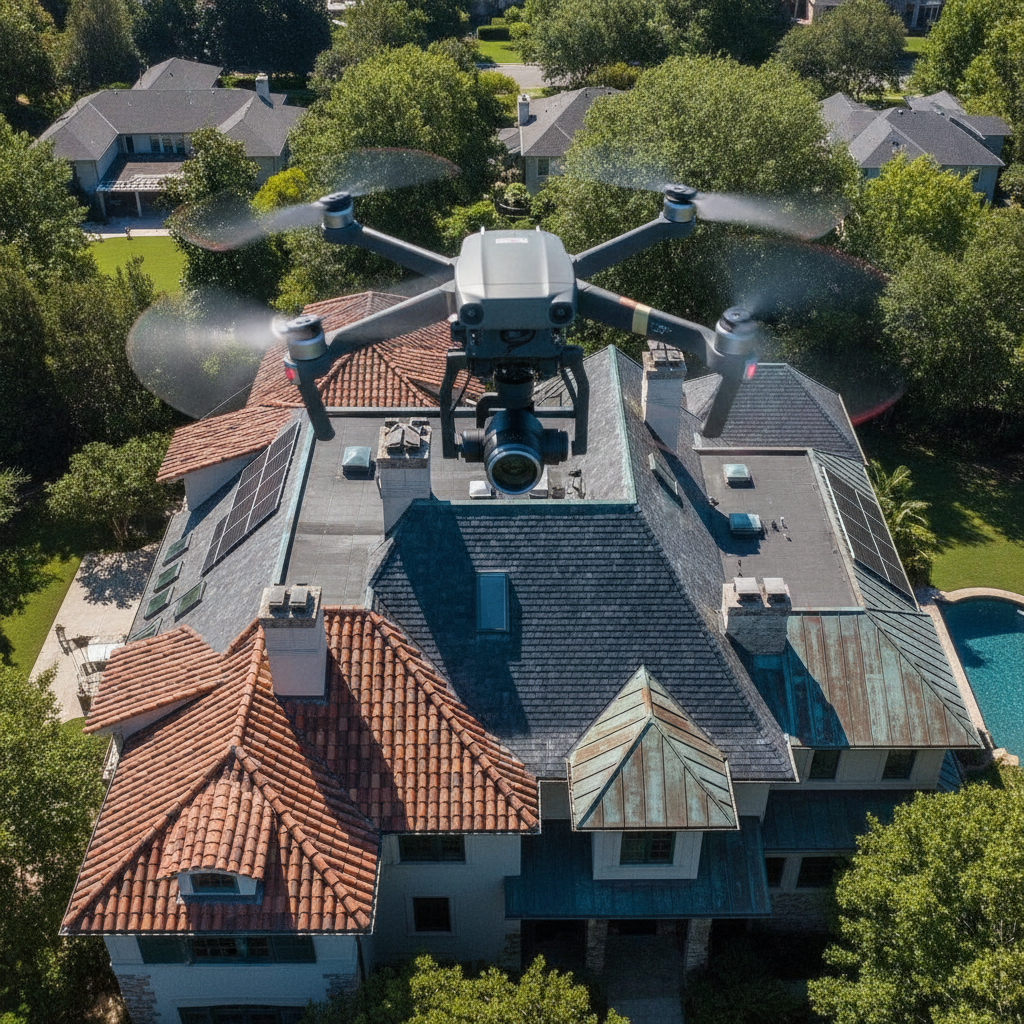
TL;DR: AI aerial measurement and damage detection uses satellite or drone imagery, processed by AI roof measurement software, to automatically calculate roof dimensions and identify potential damage. This automated roofing inspection technology saves time, improves accuracy, and helps contractors bid more effectively.
Understanding AI Aerial Measurement and Damage Detection
This guide will walk you through how AI roof measurement software is revolutionizing the roofing industry. You'll learn how to leverage this automated roofing inspection technology for more efficient and accurate assessments. We'll cover the benefits, how it works, and what to look for in a solution.
Why Embrace AI Aerial Measurement for Contractors?
The days of manual ladder climbs for every measurement are fading. Aerial roof measurement for contractors provides a faster, safer, and often more precise alternative. This technology offers significant AI roofing software benefits like reduced on-site time and improved bid accuracy.
[!TIP] Think of it as getting a detailed blueprint of a roof without ever stepping foot on it. This frees up your team for more complex tasks and customer service.
How AI Aerial Measurement and Damage Detection Works
At its core, this technology uses high-resolution imagery – either from satellites or drone roof damage assessment – and applies sophisticated algorithms. These algorithms are trained to recognize specific patterns and features on a roof. This includes identifying roof planes, slopes, pitch, and even common damage indicators.
The software then processes this data to generate detailed reports. These reports can include precise measurements, 3D roof models, and flagged areas of potential damage. This automated roofing inspection technology makes estimating much quicker.
Key Benefits of AI Roofing Software
- Speed and Efficiency: Significantly reduces the time spent on initial roof measurements and inspections.
- Accuracy: Often more precise than manual measurements, leading to fewer errors in material ordering and bidding.
- Safety: Minimizes the need for roofers to climb ladders or walk on potentially unstable roofs for initial assessments.
- Improved Bidding: Allows for more competitive and accurate bids, increasing your win rate.
- Damage Identification: Drone roof damage assessment capabilities can help pinpoint issues like hail damage, missing shingles, or granule loss early on.
Comparing AI Aerial Measurement Solutions
When choosing a platform, consider features, pricing, and integration capabilities. Many solutions offer similar core functionalities, but some excel in specific areas.
- EagleView: A well-established leader, EagleView is known for its comprehensive data and accurate measurements derived from aerial imagery. They offer a wide range of reports tailored for contractors.
- RoofSnap: Another popular choice, RoofSnap provides robust measurement tools and integrates well with other construction software. They often highlight their user-friendly interface.
Let's compare these with two other prominent options:
- DroneDeploy: While not exclusively a roofing measurement tool, DroneDeploy is a leading drone mapping platform that can be adapted for drone roof damage assessment. It excels in flight planning and data processing for a variety of applications, offering flexibility for contractors who also use drones for other purposes.
- Kespry: Kespry offers a complete aerial intelligence solution specifically designed for property inspections, including roofing. Their system combines automated drone flights with AI-powered analytics for detailed damage reports, making it a strong contender for automated roofing inspection technology.
[!IMPORTANT] When comparing, look at the level of detail in their damage detection. Some might just flag an area, while others can categorize the type of damage.
Implementing AI Aerial Measurement in Your Business
- Choose the Right Software: Based on your needs, budget, and existing workflows, select an AI roof measurement software that fits. Consider whether you need standalone software or a solution that integrates with your CRM or estimating tools.
- Integrate Drone Capabilities (Optional but Recommended): For the most detailed and up-to-date inspections, consider integrating drone roof damage assessment. This allows you to capture imagery on demand and identify damage that might not be visible from satellite views.
- Train Your Team: While these tools are designed to be user-friendly, ensure your sales and estimating teams understand how to interpret the reports. Proper training unlocks the full AI roofing software benefits.
- Start with a Pilot Project: Begin by using the new technology on a few projects. This will help you identify any workflow adjustments needed and build confidence in the system.
- Leverage the Data for Marketing: Use the detailed reports and 3D models to visually communicate the scope of work and potential issues to your clients. This transparency can build trust and secure more jobs.
By embracing AI roof measurement software and drone roof damage assessment, you're not just adopting new technology; you're investing in the future efficiency and profitability of your roofing business.