How to Slash Fuel Costs and Boost Profits: Master Your Pest Control Routes with AI
Streamline your pest control business with AI route optimization. Discover how to cut fuel costs, boost technician efficiency, and satisfy customers with smarter scheduling.
How to Slash Fuel Costs and Boost Profits: Master Your Pest Control Routes with AI
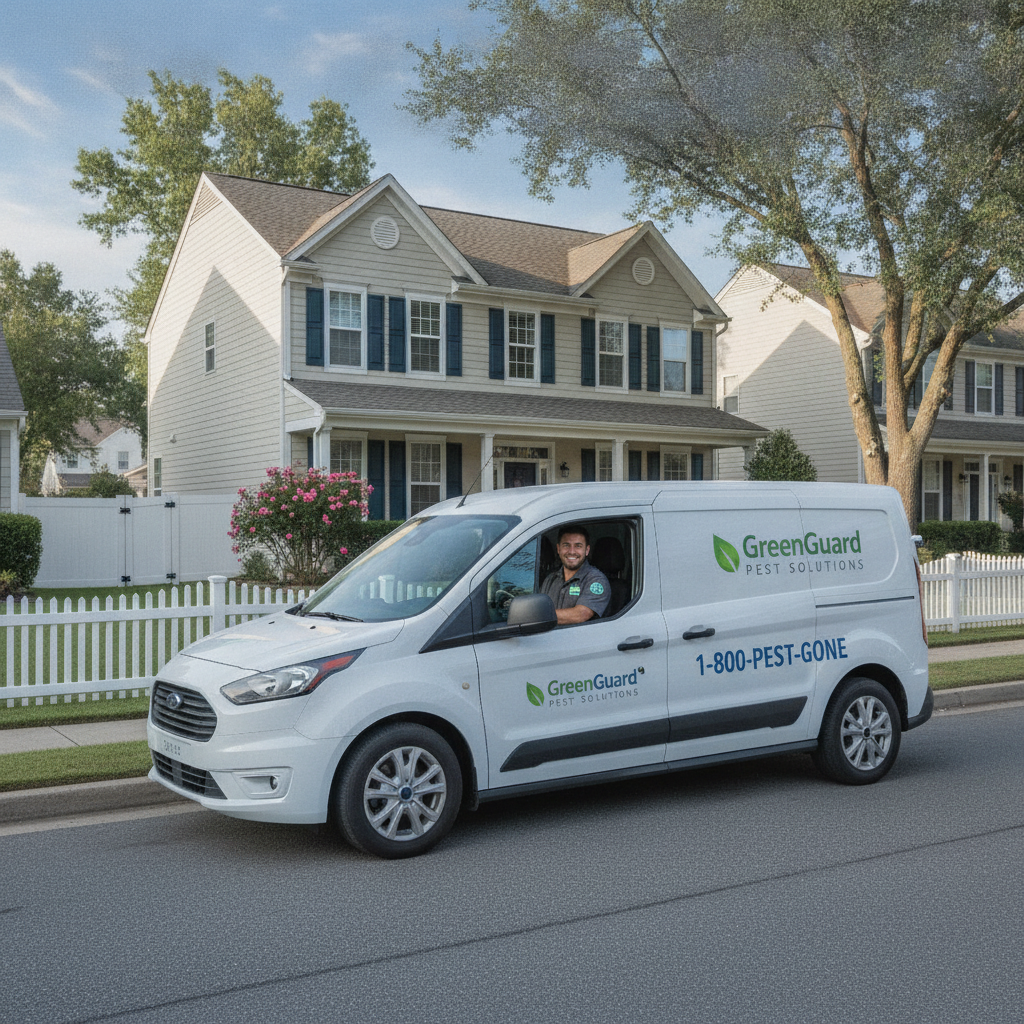
TL;DR: AI route optimization uses smart algorithms to create the most efficient schedules and routes for your pest control technicians. This saves time, reduces fuel costs, and improves customer satisfaction. Implementing software to optimize pest control routes is a smart move for any pest control business looking to grow.
How to Implement AI Route Optimization for Your Pest Control Business
AI route optimization is a game-changer for pest control businesses. It's about using technology to make your operations smarter and more profitable. This guide will walk you through how to leverage this powerful tool.
Understanding the Basics
AI route optimization is the process of using artificial intelligence and algorithms to determine the most efficient sequence of stops for your service technicians. It considers factors like traffic, customer locations, service duration, and technician availability. This leads to significant improvements in efficiency.
[!TIP] Think of it like a super-smart GPS that plans your entire day, not just one trip. It's crucial for automated scheduling for pest control businesses.
Why Invest in AI Route Optimization?
The benefits are substantial. You'll see a reduction in travel time and fuel expenses, leading to lower operating costs. More efficient scheduling means your technicians can complete more jobs daily, increasing revenue. Happy customers are also a result of timely arrivals and better service.
Choosing the Right Software
Selecting the best route planning software for pest control is a critical first step. You need a system that integrates with your existing operations and offers the features you need. Look for AI scheduling tools for exterminators that are user-friendly and offer good support.
Here are a few leading options to consider:
-
FieldRoutes: This is a comprehensive platform specifically designed for field service businesses like pest control. It offers strong AI route optimization capabilities, dispatching, and customer management. FieldRoutes is known for its all-in-one approach.
-
ServiceTitan: While a broader field service management solution, ServiceTitan includes robust scheduling and routing features. It's a powerful option for larger companies looking for an integrated system. Its AI capabilities assist in optimizing technician deployment.
-
Jobber: Another popular choice for small to medium-sized businesses, Jobber focuses on streamlining scheduling, dispatching, and invoicing. It also incorporates features to help with route efficiency.
[!IMPORTANT] When comparing, consider your business size, specific needs, and budget. Don't just look at features; consider the ease of use for your team.
Implementing AI Route Optimization: A Step-by-Step Guide
Here’s how to get started with software to optimize pest control routes.
Step 1: Data Preparation
You need accurate data for the AI to work effectively.
- Gather all your customer addresses.
- Ensure service appointment times are correctly entered.
- Input technician work hours and any specific constraints (e.g., preferred service areas).
- Include estimated service times for different job types.
Step 2: Software Selection and Setup
Choose a platform that fits your needs and budget.
- Research and demo: Test drive different AI route optimization for pest control software options.
- Integration: Ensure the software can connect with your existing CRM or accounting tools if necessary.
- Configuration: Set up your service types, technician profiles, and any business-specific rules.
Step 3: Training Your Team
Your technicians are key to successful implementation.
- Onboarding: Train your dispatchers and technicians on how to use the new automated scheduling for pest control businesses software.
- Benefits explanation: Emphasize how the system will make their jobs easier and more efficient.
- Feedback loop: Encourage them to provide feedback on the routes and scheduling.
Step 4: Initial Route Generation
Once set up, let the AI do the heavy lifting.
- Input daily jobs: Enter all new service requests and recurring appointments into the system.
- Run optimization: The AI will generate optimized routes for each technician.
- Review and adjust: While AI is powerful, a quick human review can catch any anomalies.
Step 5: Go Live and Monitor
Start using the system for your daily operations.
- Dispatch: Send the optimized routes to your technicians' mobile devices.
- Track progress: Monitor job completion and technician locations in real-time.
- Analyze performance: Review the efficiency gains and identify areas for further refinement.
Step 6: Continuous Improvement
AI route optimization is not a set-it-and-forget-it solution.
- Regular updates: Keep customer data and service times accurate.
- Adapt to changes: Adjust settings as your business grows or traffic patterns shift.
- Leverage AI insights: Use the data and reports generated by the software to make strategic decisions.
By following these steps, you can effectively implement AI route optimization for pest control and transform your business operations. This is a vital step towards becoming one of the most efficient and profitable pest control companies.