How to Slash Fuel Costs & Double Your Pest Control Jobs Using AI Route Optimization
Streamline your pest control business with AI route optimization. Discover how to cut fuel costs, boost productivity, and delight customers by optimizing technician routes.
How to Slash Fuel Costs & Double Your Pest Control Jobs Using AI Route Optimization
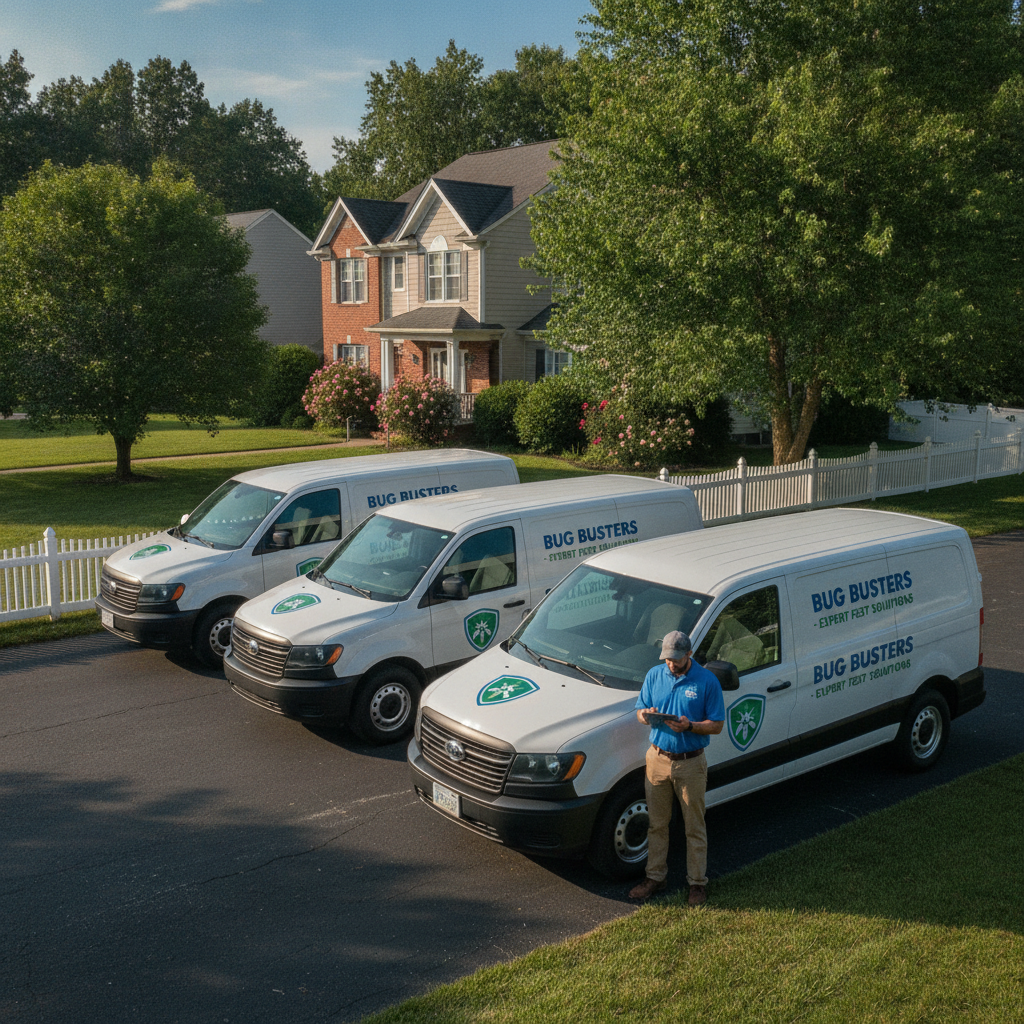
TL;DR: AI route optimization uses smart algorithms to create the most efficient schedules and routes for your pest control technicians. This saves time, reduces fuel costs, and improves customer satisfaction. It's a powerful tool to optimize pest control routes with AI and boost your business's profitability.
Welcome, pest control professionals! Let's dive into how AI route optimization can revolutionize your business. Think of it as having a super-smart dispatcher working 24/7 to make sure your team is always in the right place at the right time.
This guide will walk you through how to implement this technology. We'll cover what it is, why it's a game-changer, and how to choose the right solution.
What is AI Route Optimization?
AI route optimization is the use of artificial intelligence to intelligently plan the most efficient routes for your service vehicles. It goes beyond simple GPS mapping. It considers multiple factors to create optimized pest control routes with AI.
The software analyzes things like:
- Technician locations and availability.
- Customer addresses and appointment times.
- Traffic patterns and road conditions.
- Job durations and required service types.
Why is AI Route Optimization Crucial for Pest Control Businesses?
In the fast-paced world of pest control, efficiency is king. AI route optimization for pest control directly impacts your bottom line. It helps you optimize pest control routes with AI by minimizing wasted travel time and maximizing the number of jobs completed daily.
This leads to:
- Reduced fuel costs.
- Increased technician productivity.
- Faster response times to customer requests.
- Improved customer satisfaction through punctual service.
[!TIP] Think of it as a digital conductor orchestrating your fleet's symphony of service calls, ensuring every note hits the right beat. This is key for any GPS route optimization pest control business.
Getting Started: A Step-by-Step Approach
Implementing AI route optimization requires a structured approach. Don't be intimidated; the benefits far outweigh the initial setup.
Step 1: Assess Your Current Operations
Before adopting new software, understand your current strengths and weaknesses.
- Track your current route efficiency and average drive times.
- Identify bottlenecks in your scheduling and dispatching process.
- Gather data on your technician’s daily routes and job completion rates.
Step 2: Research and Select the Right Software
This is a critical decision. The best route planning software for pest control will integrate seamlessly with your existing systems. Look for features tailored to the unique needs of AI scheduling for pest exterminators.
Step 3: Data Integration and Configuration
Once you've chosen a software, you'll need to input your data. This includes:
- Customer database with accurate addresses.
- Technician profiles including skills and availability.
- Service types and estimated job times.
Step 4: Training Your Team
Your technicians are the front line. Proper training ensures they can utilize the software effectively.
- Demonstrate how to access optimized routes on their mobile devices.
- Explain how to update job statuses in real-time.
- Emphasize the benefits for their daily workflow.
Step 5: Monitor, Analyze, and Refine
AI is constantly learning. Your role is to guide that learning.
- Regularly review route performance reports.
- Identify areas where routes can be further improved.
- Adjust settings based on feedback and new data.
[!IMPORTANT] Don't expect perfection overnight. AI route optimization is an ongoing process of refinement. The more accurate your data and the more you utilize the system, the better its recommendations will become.
Comparing Popular AI Route Optimization Solutions
There are several excellent options available. Here’s a brief comparison to help you understand your choices. We'll focus on FieldRoutes and two other prominent providers.
FieldRoutes
- Strengths: FieldRoutes is specifically designed for the home services industry, making it a strong contender for pest control. It offers robust AI route optimization for pest control with features like real-time dispatch, dynamic rescheduling, and integrated customer management. It's often praised for its user-friendliness and comprehensive suite of tools. Many users consider it the best route planning software for pest control.
- Ideal for: Businesses of all sizes looking for a dedicated, feature-rich solution for optimizing pest control routes with AI.
ServiceTitan
- Strengths: ServiceTitan is a comprehensive field service management platform that includes advanced GPS route optimization pest control business capabilities. It excels in integrating various aspects of your business, from scheduling to invoicing and marketing. Its AI features are powerful and leverage a large dataset.
- Ideal for: Larger operations that require an all-in-one business management solution with strong AI scheduling for pest exterminators.
Housecall Pro
- Strengths: Housecall Pro is known for its ease of use and affordability, making it a popular choice for smaller to medium-sized businesses. It offers good AI route optimization for pest control with features like mobile dispatching and job management. It's a solid option for those prioritizing simplicity.
- Ideal for: Small to medium businesses looking for an accessible and efficient tool to optimize pest control routes with AI.
By embracing AI route optimization, you're not just adopting new technology; you're investing in a more efficient, profitable, and customer-centric future for your pest control business. Start exploring your options today!