How to Instantly Diagnose Electrical Faults & Boost Your Business with AI
Boost your electrical business with AI-powered real-time diagnostics. Learn how to implement smart tech for faster repairs, improved safety, and increased efficiency.
How to Instantly Diagnose Electrical Faults & Boost Your Business with AI
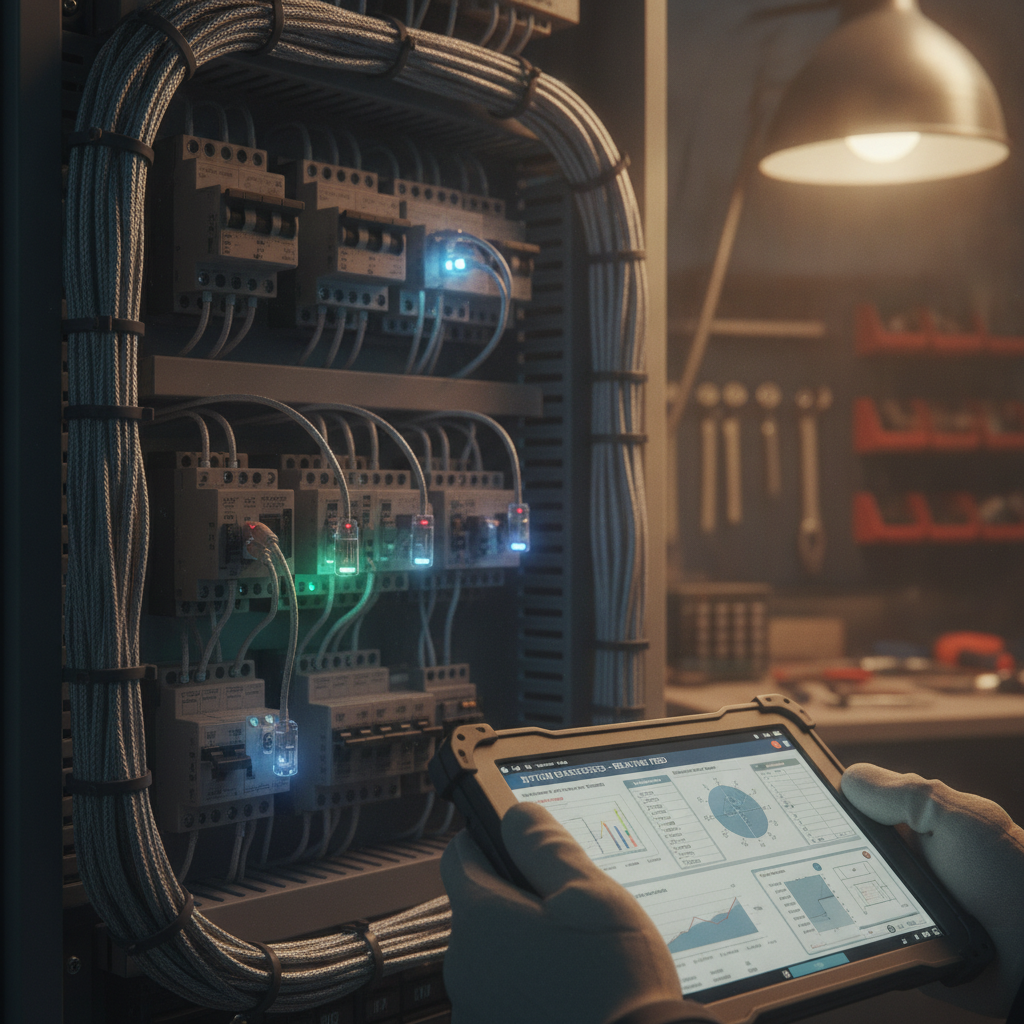
TL;DR: AI-powered real-time diagnostics uses smart technology to instantly spot electrical problems, improving safety, reducing downtime, and boosting efficiency for your electrical business. This guide helps you understand and implement it.
AI-Powered Real-Time Diagnostics: A How-To Guide for Electrician Owners
As an electrician owner, staying ahead means embracing new technologies. AI-powered real-time diagnostics offers a significant leap forward. It's about using artificial intelligence to instantly detect and diagnose electrical issues as they happen.
This technology moves beyond traditional troubleshooting. It allows for real-time fault detection electrical systems, giving you immediate insights. This means faster repairs and preventing bigger problems down the line.
What is AI-Powered Real-Time Diagnostics?
Imagine a system that constantly monitors your clients' electrical installations. When a anomaly occurs, AI diagnostics for electricians flags it immediately. It can even predict potential failures before they happen.
This isn't just about reacting to problems; it's about predictive maintenance for electricians. By understanding patterns, the AI can alert you to components nearing failure. This proactive approach saves time and money.
[!IMPORTANT] AI-powered real-time diagnostics enhances safety by identifying potential hazards before they escalate. It also improves customer satisfaction through quicker, more accurate solutions.
Key Benefits for Your Business
Implementing AI diagnostics can transform your operations. You'll experience:
- Reduced Downtime: Immediate alerts mean less time spent troubleshooting.
- Increased Efficiency: Technicians can arrive on-site with a clear diagnosis.
- Enhanced Safety: Proactive identification of risks prevents accidents.
- Improved Customer Relations: Faster, more reliable service builds trust.
- New Revenue Streams: Offer advanced smart diagnostics for electrical contractors.
How to Implement AI-Powered Real-Time Diagnostics
Getting started involves a few key steps. It's an investment, but the returns in efficiency and safety are substantial.
Step 1: Understand the Technology
AI diagnostics for electricians relies on sensors and sophisticated software. Sensors gather data from electrical systems (voltage, current, temperature). AI algorithms then analyze this data for abnormalities.
The goal is to enable AI troubleshooting electrical systems much faster than human observation alone. This is where real-time fault detection electrical becomes invaluable.
Step 2: Explore Available Solutions
Several types of AI diagnostic tools are emerging. These can range from handheld devices to integrated monitoring systems. Look for solutions that offer predictive maintenance for electricians capabilities.
- Smart Sensors: Devices that continuously collect and transmit electrical data.
- Cloud-Based Platforms: Software that processes sensor data using AI.
- Mobile Apps: User-friendly interfaces for technicians to view diagnostics.
Step 3: Choose Your Software and Hardware
Selecting the right AI diagnostics for electricians tools is crucial. Consider your specific needs and budget. Many modern electrical testing equipment now incorporates some level of AI.
[!TIP] When comparing software, look for ease of integration with your existing workflows. A steep learning curve can negate initial benefits.
Comparing AI Diagnostic Platforms: A Quick Look
When selecting a platform, you'll encounter various options. Here's a brief comparison to help you decide:
-
Voiceflow: Primarily known for building conversational AI experiences, like chatbots. While it can integrate with diagnostic systems to create voice interfaces for reporting or control, its core function isn't direct electrical diagnostics. It excels at making AI accessible through natural language.
-
Other AI Platforms (General): Many platforms focus on machine learning and data analysis. These can be powerful for custom AI model development but might require significant technical expertise to build specific electrical diagnostic capabilities from the ground up.
-
Specialized Electrical AI Solutions: These are purpose-built for the electrical industry. They often come with pre-trained AI models for common faults and integrate seamlessly with electrical hardware. These are usually the most straightforward to implement for AI troubleshooting electrical systems.
Step 4: Integration and Training
Once you've chosen your tools, integration is key. Ensure the chosen hardware and software work together seamlessly. Proper training for your team is also vital.
Your technicians need to understand how to interpret the AI diagnostics for electricians reports. They should know what actions to take based on the alerts. This empowers them to perform AI troubleshooting electrical systems efficiently.
Step 5: Rollout and Monitoring
Start with a pilot program on a few projects or at your own facility. This allows you to fine-tune the system and address any initial challenges. Gradually expand its use across your business.
Continuously monitor the performance of your smart diagnostics for electrical contractors system. Look for opportunities to optimize its settings and leverage its capabilities for predictive maintenance for electricians.
The Future of Electrical Diagnostics
AI-powered real-time diagnostics is not just a trend; it's the future. By adopting these technologies now, you position your business for growth and efficiency. Embrace real-time fault detection electrical and lead the way in smart diagnostics for electrical contractors.