How to Effortlessly Optimize Your HVAC Dispatch and Boost Profits with AI
Boost HVAC efficiency and customer satisfaction with AI-driven intelligent dispatching. Learn how to optimize technician schedules, reduce travel time, and increase revenue.
How to Effortlessly Optimize Your HVAC Dispatch and Boost Profits with AI
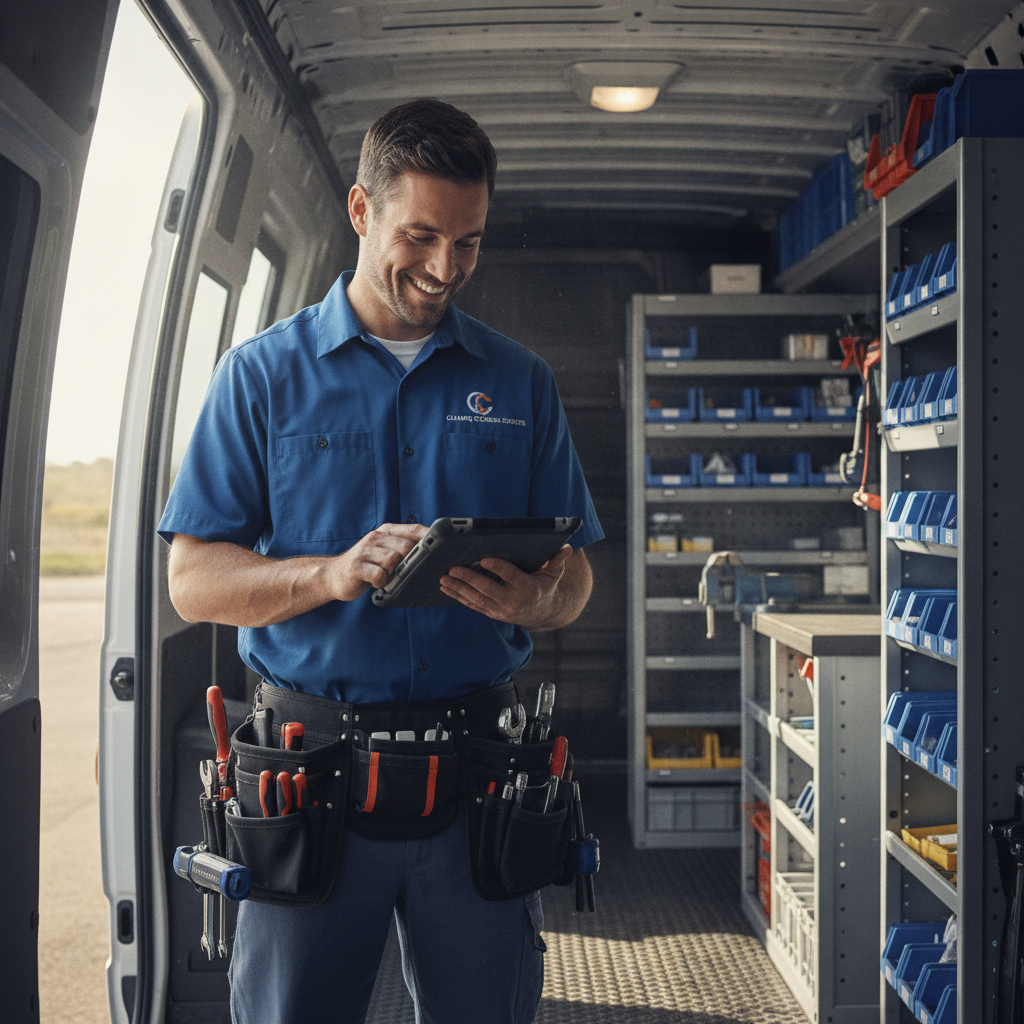
TL;DR: AI-driven intelligent dispatching uses artificial intelligence to optimize HVAC technician dispatch and scheduling. It analyzes various data points to match the right technician with the right job, improving efficiency, reducing travel time, and increasing customer satisfaction. Implementing this technology can significantly boost your HVAC dispatch software capabilities.
What is AI-Driven Intelligent Dispatching?
AI-driven intelligent dispatching is the next evolution of managing your service calls. It goes beyond simple rule-based systems to leverage AI for HVAC scheduling. This technology analyzes real-time data to make smarter decisions about who goes where and when. It's about creating an intelligent HVAC dispatch process.
Why Should HVAC Contractors Care?
Your time is valuable, and so is your technicians' time. AI-driven intelligent dispatching can drastically cut down on wasted hours. It leads to more completed jobs per day and happier customers. This translates directly to increased profitability and a stronger competitive edge in the market.
Key Benefits of AI-Driven Dispatching
- Optimized Technician Utilization: Ensures your team is always working on the most critical or profitable jobs.
- Reduced Travel Time: Minimizes mileage and fuel costs by sending technicians efficiently.
- Improved First-Time Fix Rates: Matches technician skills and experience to specific job requirements.
- Enhanced Customer Satisfaction: Faster response times and more accurate appointment windows.
- Increased Revenue: More jobs completed and better resource allocation leads to higher earnings.
[!TIP] Think of it as having a super-smart assistant who knows everything about your technicians, your customers, and your schedule, constantly looking for the best possible outcome. This is the power of AI technician dispatch HVAC.
How AI-Driven Intelligent Dispatching Works
AI algorithms analyze a multitude of factors to make dispatch decisions. These include:
- Technician Skills and Certifications: Matching specific expertise to job needs.
- Technician Location and Proximity: Minimizing travel distances.
- Job Priority and Urgency: Ensuring critical calls are handled first.
- Customer History and Preferences: Considering past service and client expectations.
- Traffic Conditions and Weather: Adapting to real-world variables.
- Equipment Availability: Ensuring the right tools are assigned.
Getting Started: A Step-by-Step Guide
Step 1: Assess Your Current Dispatch Process
- Identify bottlenecks and areas for improvement.
- Understand your current scheduling and dispatch workflows.
- Gather data on job completion times, travel times, and customer feedback.
Step 2: Choose the Right HVAC Dispatch Software
This is a critical decision. Look for solutions with robust AI for HVAC scheduling capabilities.
- ServiceTitan: A popular all-in-one platform for field service businesses. It offers advanced features including some AI-driven dispatch capabilities and integrations.
- Dispatch Pro: Known for its focus on intelligent dispatching and route optimization. It often utilizes AI to maximize efficiency.
- Housecall Pro: Another comprehensive field service management solution with scheduling and dispatch features, increasingly incorporating AI.
- Jobber: Offers a user-friendly interface for scheduling, dispatching, and customer management, with growing AI functionalities.
[!IMPORTANT] When comparing, look beyond just the basic features. Ask specifically about their AI technician dispatch HVAC capabilities and how they adapt to changing conditions.
Step 3: Data Integration and Preparation
- Ensure your customer data, technician profiles, and job history are accurate and accessible.
- Connect your chosen software with other relevant systems (e.g., CRM, accounting).
- The more quality data the AI has, the smarter its decisions will be. This fuels the automated HVAC dispatch system.
Step 4: Configuration and Training
- Set up the parameters for your AI dispatch system. This includes skill sets, service areas, and priority levels.
- Train your dispatch team on how to use the new HVAC dispatch software AI. They will work alongside the AI, not be replaced by it.
- Understand how the system provides recommendations and allows for overrides when necessary.
Step 5: Gradual Implementation and Monitoring
- Start with a pilot group of technicians or a specific service area.
- Closely monitor the performance of the intelligent HVAC dispatch system.
- Gather feedback from dispatchers and technicians to fine-tune the AI's performance.
Step 6: Continuous Optimization
- AI systems learn and improve over time.
- Regularly review performance metrics and adjust settings as needed.
- Stay updated on new features and advancements in AI for HVAC scheduling.
Overcoming Common Challenges
- Resistance to Change: Educate your team on the benefits and involve them in the process.
- Data Quality Issues: Invest time in cleaning and organizing your data before implementation.
- Integration Complexity: Choose software with good integration support or work with an IT professional.
By embracing AI-driven intelligent dispatching, you're not just adopting new technology; you're investing in the future efficiency and success of your HVAC business. This is the core of an automated HVAC dispatch system.