How to Ditch Paperwork and Ace Pest Control Compliance with Digital Records
Streamline pest control operations and ensure flawless regulatory compliance with our guide to digital record-keeping. Stop paper chaos, embrace efficiency.
How to Ditch Paperwork and Ace Pest Control Compliance with Digital Records
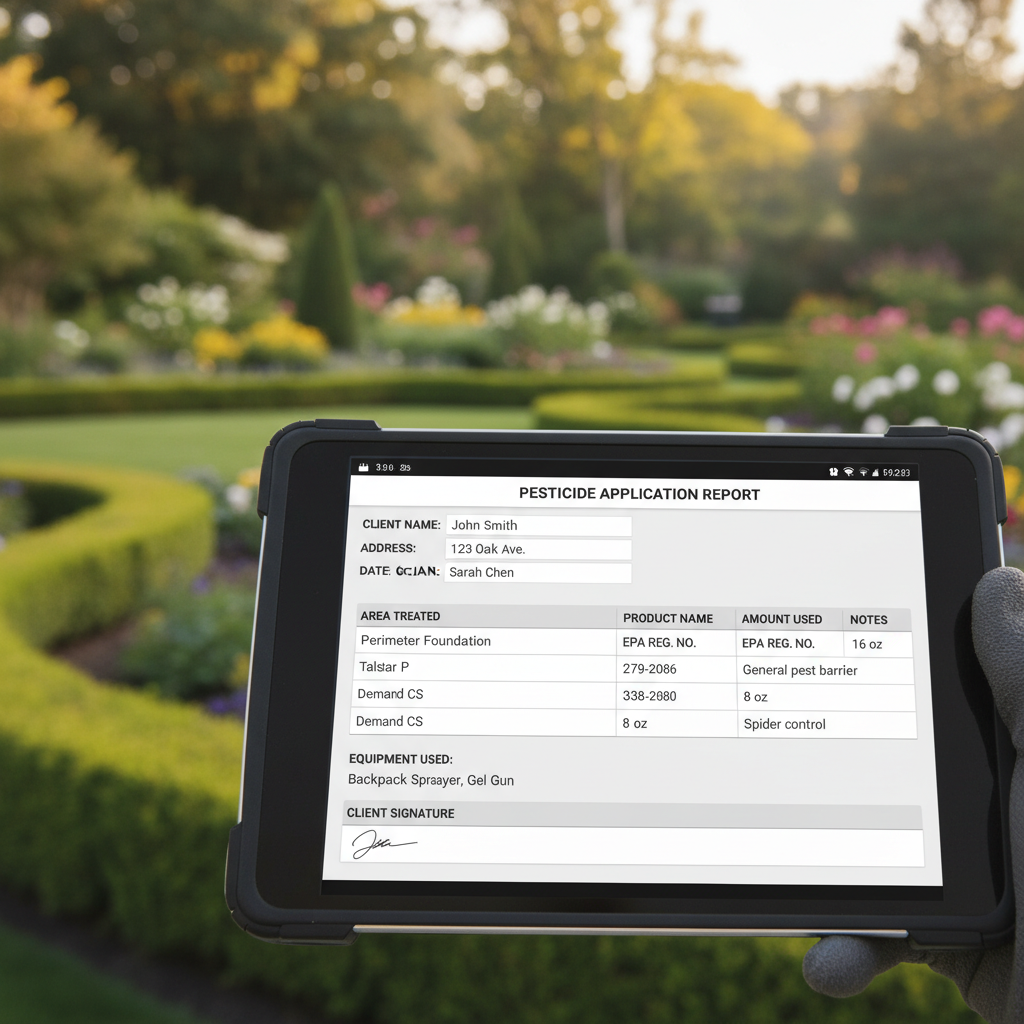
TL;DR: Digital regulatory documentation for pest control simplifies compliance. It involves choosing the right software, organizing your data, and training your team. This guide shows you how to transition from paper to digital for better pest control digital record keeping and regulatory compliance.
What is Digital Regulatory Documentation?
Digital regulatory documentation means storing all your pest control records electronically. This includes pesticide application logs, customer information, and safety data sheets. It's a modern approach to pest control digital record keeping that boosts efficiency and accuracy.
This shift is crucial for maintaining regulatory compliance and streamlining your operations. It also helps you generate digital pest control reporting with ease.
Why Go Digital?
Paper records can get lost, damaged, or are hard to search. Digital systems offer secure storage and quick access to information. This is vital for inspections and audits.
Electronic pesticide application logs are a prime example of how digital saves time. You can track applications instantly.
[!IMPORTANT] Embracing digital pest control reporting isn't just about convenience; it's about future-proofing your business. It demonstrates a commitment to professionalism and responsible pest management.
Step 1: Assess Your Needs & Choose Your Software
First, identify what types of documents you need to digitize. Think about pesticide application logs, customer agreements, and training records. What features are essential for your team?
Consider regulatory compliance software for pest control that specifically addresses your industry's needs. Look for ease of use and integration capabilities.
Next, research available best pest control compliance software. Compare features, pricing, and customer support.
Software Comparisons:
Here's a look at how some popular options stack up:
- Smart Service: Often praised for its comprehensive field service management features, including robust pest control digital record keeping and scheduling. It aims to be an all-in-one solution.
- FieldRoutes: Another strong contender, known for route optimization and strong CRM functionalities. It offers good tools for electronic pesticide application logs.
- PestPac: A long-standing player in the pest control software market, offering a wide range of features for regulatory compliance software for pest control. It's a feature-rich option.
[!TIP] Many regulatory compliance software for pest control providers offer free trials. Use these to test out the user interface and key features before committing.
Step 2: Organize Your Digital Files
Once you've chosen your software, it's time to organize. Create clear, logical folder structures. This ensures you can find anything quickly.
Use consistent naming conventions for all your files. This makes searching and retrieval much easier.
Consider scanning existing paper documents. Break them down into manageable batches.
Step 3: Data Entry & Migration
Begin entering new data directly into your chosen software. For existing records, plan a systematic migration process. This might involve manual re-entry or using import tools if available.
Focus on accuracy during data entry. Incorrect data undermines the benefits of digital pest control reporting.
Ensure all required fields for electronic pesticide application logs are consistently filled out. This is critical for compliance.
Step 4: Train Your Team
Your team is key to successful pest control digital record keeping. Provide thorough training on how to use the new software.
Offer hands-on practice sessions. Address any questions or concerns they might have.
Regular refresher training will help keep everyone up-to-date with any software updates or new features.
Step 5: Ongoing Management & Compliance
Digital documentation requires ongoing attention. Regularly back up your data to prevent loss.
Stay informed about any changes in regulatory compliance software for pest control requirements. Adjust your digital processes as needed.
Regularly review your digital pest control reporting capabilities. Ensure you are meeting all necessary legal obligations.
[!IMPORTANT] Maintaining accurate electronic pesticide application logs is paramount. This is often the most scrutinized documentation during inspections.
By following these steps, you'll establish a robust digital documentation system. This will enhance your efficiency, accuracy, and overall regulatory compliance.