How to Automate Your Auto Parts Inventory and Slash Wasted Capital with AI
Automate your auto repair shop's parts inventory with AI. Reduce stockouts, minimize overstocking, and boost profitability with smart forecasting and automated ordering.
How to Automate Your Auto Parts Inventory and Slash Wasted Capital with AI
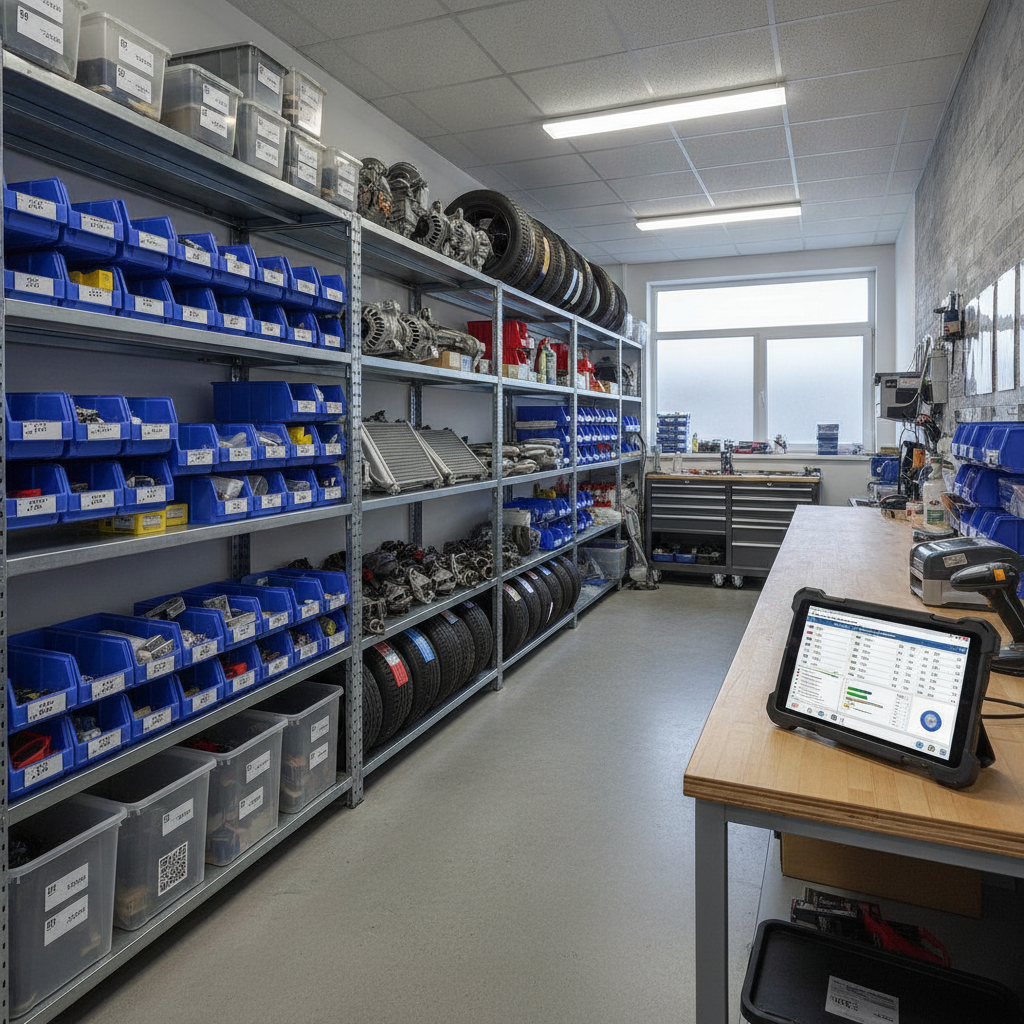
TL;DR: AI-assisted inventory management uses smart software to predict parts needs, reduce overstocking and stockouts, and automate ordering. This guide helps auto repair shops implement AI inventory management for auto repair to automate auto parts inventory and improve auto repair inventory control using AI software for auto shops.
Welcome, shop owners! Let's talk about revolutionizing your parts room. AI-assisted inventory management is here to make your life easier and your business more profitable. This guide will walk you through how to leverage these powerful AI solutions for auto parts suppliers and repair shops.
Understanding AI-Assisted Inventory Management
AI inventory management for auto repair is not about replacing your team, but empowering them. It uses artificial intelligence to analyze historical data and predict future parts demand. This means you'll always have the right parts, without tying up too much capital.
This technology helps automate auto parts inventory processes that were once manual and time-consuming. Think fewer trips to the parts counter and less time spent counting nuts and bolts. It's about working smarter, not harder.
[!IMPORTANT] The core idea is predictive analytics. AI looks at your past repair orders, seasonal trends, and even local economic factors to forecast what parts you'll need next.
Benefits for Your Auto Repair Shop
Implementing AI software for auto shops offers tangible benefits. You can significantly improve auto repair inventory control, leading to reduced waste and better cash flow. This is crucial for any business looking to grow and thrive.
- Reduced Stockouts: Never miss a job because you're missing a critical part.
- Minimized Overstocking: Free up capital by not holding excess inventory.
- Time Savings: Automate ordering and stock checks.
- Increased Profitability: Lower costs and fewer lost sales directly impact your bottom line.
Getting Started with AI Inventory Management
The first step is to assess your current inventory processes. Where are your biggest pain points? Is it frequent stockouts, excessive dead stock, or the sheer time spent managing parts?
Next, research available AI inventory management for auto repair solutions. Many modern auto repair shop management software platforms now include AI-powered inventory modules. Look for features that align with your identified needs.
Key Features to Look For
When evaluating AI software for auto shops, prioritize these features:
- Demand Forecasting: The ability to accurately predict future parts needs.
- Automated Reordering: Systems that can automatically generate purchase orders based on forecast and stock levels.
- Integration Capabilities: It should seamlessly integrate with your existing shop management software.
- Real-time Data: Up-to-the-minute tracking of stock levels and usage.
- Reporting and Analytics: Insights into inventory performance and cost savings.
[!TIP] Don't be afraid to ask vendors for demos and case studies. See how their solutions have helped other auto repair shops.
Choosing the Right AI Solution: A Comparison
Let's look at how Shop-Ware AI Parts Matrix stacks up. This system aims to intelligently predict and manage your parts inventory. It's designed to streamline the process and automate auto parts inventory.
-
Shop-Ware AI Parts Matrix: Known for its integration within the broader Shop-Ware platform. It focuses on real-time updates and predictive ordering based on repair trends specific to your shop. This makes it a strong contender for improving auto repair inventory control.
-
Competitor A (e.g., RPN Accelerated): Often praised for its robust forecasting models that can incorporate external market data. This might be beneficial for larger operations or those dealing with highly volatile part prices.
-
Competitor B (e.g., Mitchell 1 Manager SE): Offers comprehensive shop management features, with its inventory module often being tightly integrated. It provides good visibility and reporting, helping to improve auto repair inventory control.
Each solution has its strengths. Your best choice depends on your shop's specific size, workflow, and budget.
Implementing AI in Your Shop: A Step-by-Step Guide
Step 1: Data Preparation
Ensure your historical parts data is clean and accurate. This includes part numbers, quantities, cost, and sales history. The better your data, the better the AI's predictions.
Step 2: Software Selection and Integration
Choose an AI inventory management for auto repair solution that fits your needs and budget. Work with the vendor to ensure seamless integration with your current shop management software.
Step 3: Configuration and Training
Configure the AI system with your specific parameters. Train your staff on how to use the new system and interpret its recommendations. This is crucial for adoption.
Step 4: Monitoring and Refinement
Continuously monitor the AI's performance. AI models learn and improve over time, but initial adjustments are often needed. Review reports and fine-tune settings as necessary.
Step 5: Leveraging Insights
Use the data and insights provided by the AI to make informed decisions. This can extend beyond just inventory to pricing strategies and customer service. It's about building a more data-driven business.
[!IMPORTANT] Implementing AI is an ongoing process, not a one-time setup. Regular review and adjustments are key to maximizing its benefits.
AI Solutions for Auto Parts Suppliers
While this guide focuses on repair shops, it's worth noting that similar AI solutions for auto parts suppliers are transforming the supply chain. They use AI to predict demand from dealerships and independent shops, ensuring a more efficient flow of parts to where they are needed. This synergy benefits everyone.
By embracing AI inventory management for auto repair, you're not just adopting new technology; you're investing in the future of your auto repair business. You'll gain efficiency, reduce costs, and ultimately serve your customers better.