How to Automate Property Maintenance with AI and Stop Wasting Time on Repair Requests
Streamline property maintenance with AI triage and routing. Learn how to automatically assess, categorize, and dispatch repair requests for faster, smarter property management.
How to Automate Property Maintenance with AI and Stop Wasting Time on Repair Requests
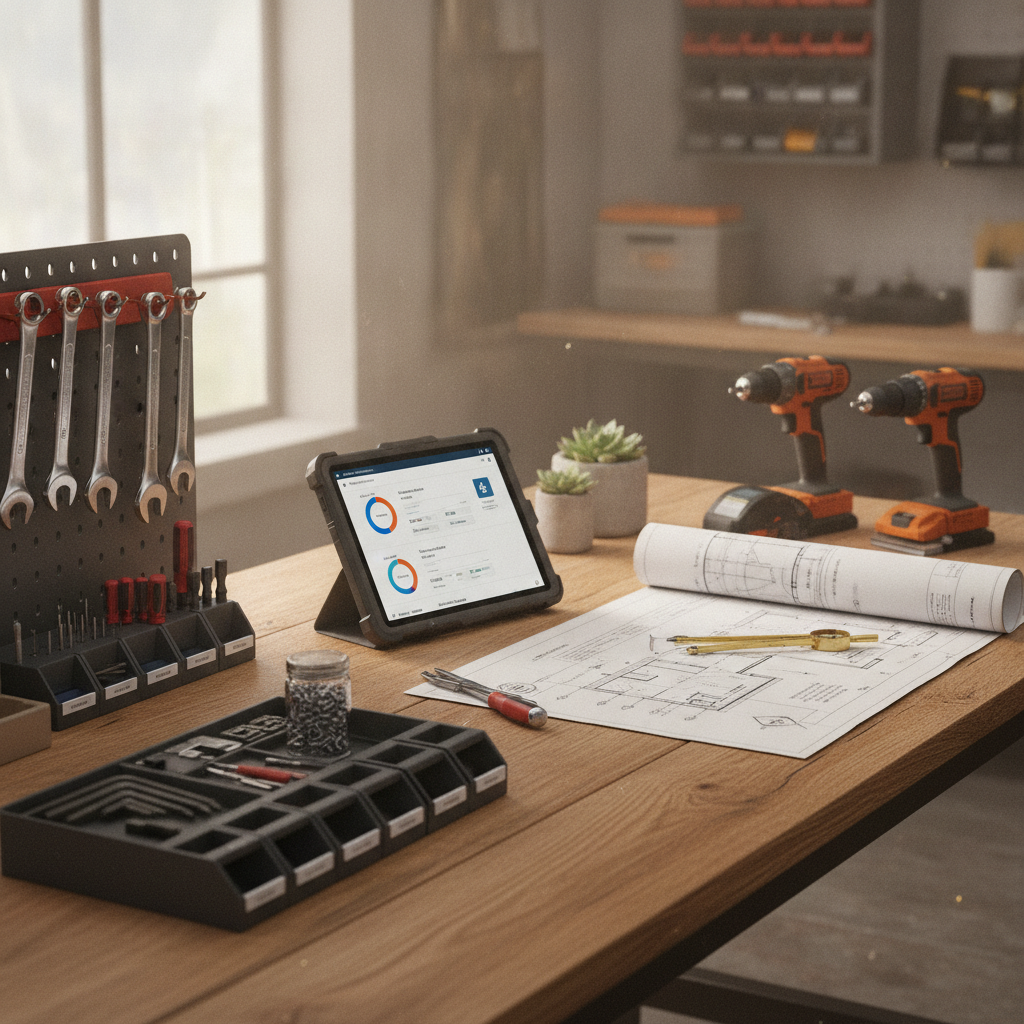
TL;DR: AI-powered maintenance triage and routing uses artificial intelligence to automatically assess tenant repair requests, categorize them, and dispatch the right technician or vendor. This streamlines property maintenance AI, reduces response times, and optimizes resource allocation.
Welcome, property management owners! Let's dive into how you can harness the power of AI to transform your maintenance operations.
AI-Powered Maintenance Triage and Routing: A How-To Guide
Understanding the "Why"
Reactive maintenance is costly and time-consuming. AI maintenance management software can proactively address issues, saving you money and keeping tenants happy. This guide will show you how to implement AI for faster, smarter maintenance.
The Core Concept: Automating the First Steps
Traditionally, your team manually reviews every maintenance request. This takes time and can lead to delays. AI automates this initial assessment, freeing up your staff.
How AI Triage and Routing Works
AI systems analyze tenant-submitted requests. They use natural language processing (NLP) to understand the problem description.
Based on the analysis, the AI categorizes the issue (e.g., plumbing, electrical, HVAC). It also assesses urgency. This is key for property maintenance automation.
Finally, the AI identifies the best resource for the job. This could be an in-house technician or an external vendor, based on skill, availability, and location. This is AI dispatch software property management in action.
Step 1: Choosing Your AI Solution
Selecting the right tool is crucial. Consider solutions that integrate with your existing property management software.
-
AppFolio Assisted Maintenance: This is a robust offering within the AppFolio platform. It leverages AI to automatically triage and assign maintenance requests. It integrates seamlessly with their accounting and leasing modules.
-
Buildium’s Smart Maintenance: Another popular option, Buildium also incorporates AI to streamline the maintenance workflow. It helps categorize requests and suggests appropriate actions.
-
Yardi Maintenance Manager: Yardi offers advanced AI capabilities for maintenance. Their solutions focus on efficiency and predictive insights.
[!TIP] Look for solutions that offer strong reporting and analytics. This will help you track performance and identify areas for improvement.
Step 2: Implementation and Configuration
Once you've chosen a solution, the real work begins. This involves setting up the AI to understand your specific needs.
-
Define your maintenance categories: Clearly map out all possible repair types your properties might experience. Your AI needs to know the difference between a leaky faucet and a broken furnace.
-
Configure technician and vendor profiles: Input detailed information about your maintenance staff and external vendors. Include their specialties, availability, service areas, and even preferred pricing structures.
-
Set up routing rules: Establish the logic the AI will use for dispatching. This might involve prioritizing emergency requests, assigning to the closest technician, or considering vendor contracts.
Step 3: Onboarding Your Team
Your team's buy-in is essential for success. Proper training will ensure they can leverage the AI effectively.
-
Train on the new system: Familiarize your team with the interface and how to interact with the AI. This includes understanding its recommendations and how to override them if necessary.
-
Explain the benefits: Highlight how AI will reduce their workload and improve efficiency. This isn't about replacing them, but empowering them.
Step 4: Tenant Communication and Submissions
Make it easy for tenants to report issues. A clear, intuitive submission process is key.
-
Provide clear instructions: Guide tenants on how to submit requests through the tenant portal or designated app. Emphasize the importance of providing detailed descriptions and photos/videos.
-
Set expectations: Inform tenants about the AI triage process and expected response times. This manages expectations and reduces follow-up calls.
[!IMPORTANT] Encourage tenants to submit photos or videos with their requests. This visual information significantly improves AI accuracy.
Step 5: Monitoring and Optimization
AI is not a set-it-and-forget-it solution. Continuous monitoring and adjustments are vital.
-
Review AI performance: Regularly check how the AI is triaging and routing requests. Are there common errors or misclassifications?
-
Gather feedback: Solicit input from your maintenance team and tenants. Their insights are invaluable for fine-tuning the system.
-
Update profiles and rules: As your team or vendor roster changes, or as new repair scenarios emerge, update the AI's configuration. This ensures it remains accurate and effective for predictive maintenance for property managers.
By embracing AI maintenance management software, you can transform your maintenance operations from a cost center into a driver of efficiency and tenant satisfaction. This is the future of property maintenance automation.